27900 New Market Rd, Farmington Hills, MI 48334


Will Teeth Whitening Actually Work for You? Find Out Now

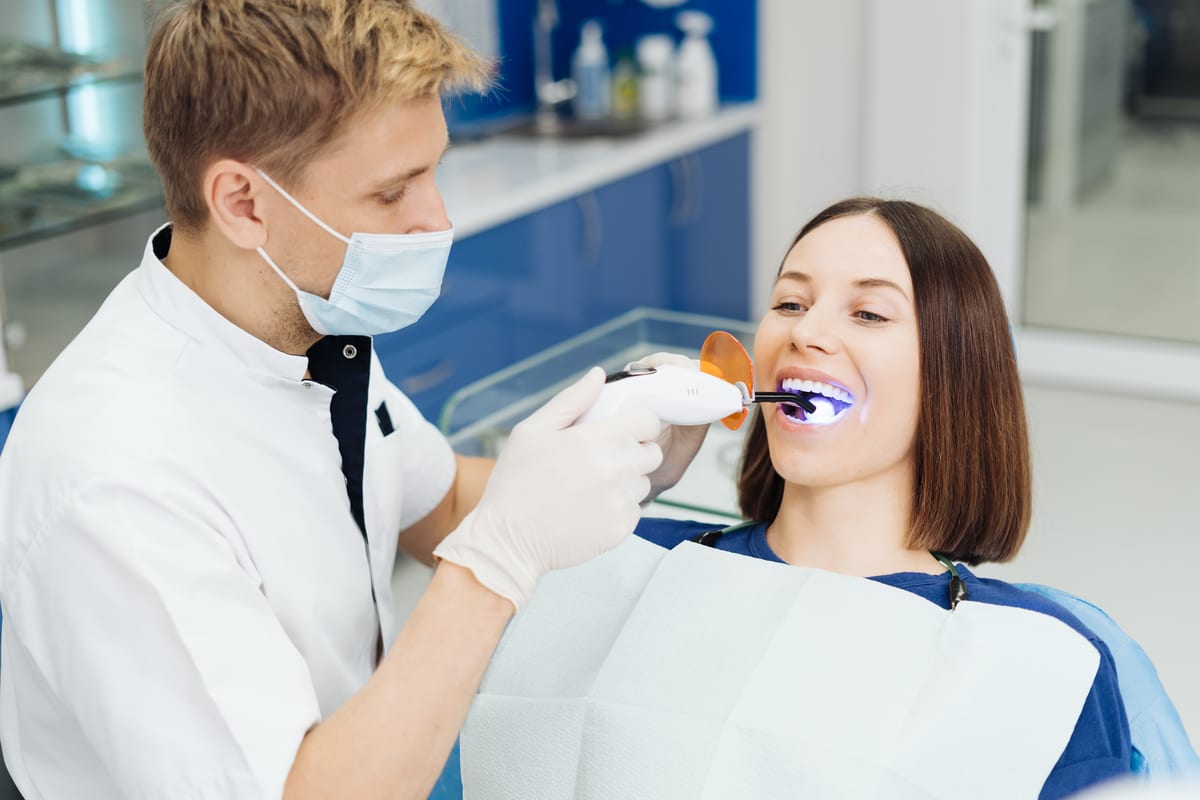
Teeth whitening is one of the most requested cosmetic treatments at Village Family Dentistry of Farmington Hills. But will teeth whitening actually work for you? Find out now — because not everyone gets the same results. Your current tooth color, dental history, and lifestyle all play a role. Dr. Shah helps patients understand what to expect before they commit to any whitening treatment.
The good news is that most people with healthy natural teeth are great candidates. The challenge is that certain conditions limit how effective whitening can be. Understanding these factors helps you make a smarter, more confident decision. Let’s break down exactly who benefits most — and who may need a different approach.
Who Gets the Best Teeth Whitening Results in Farmington Hills?
Whitening treatments target extrinsic stains — those that sit on the outer surface of your enamel. These stains come from coffee, tea, red wine, and tobacco. They respond very well to professional-grade whitening agents. If your stains fall into this category, you are likely an excellent candidate.
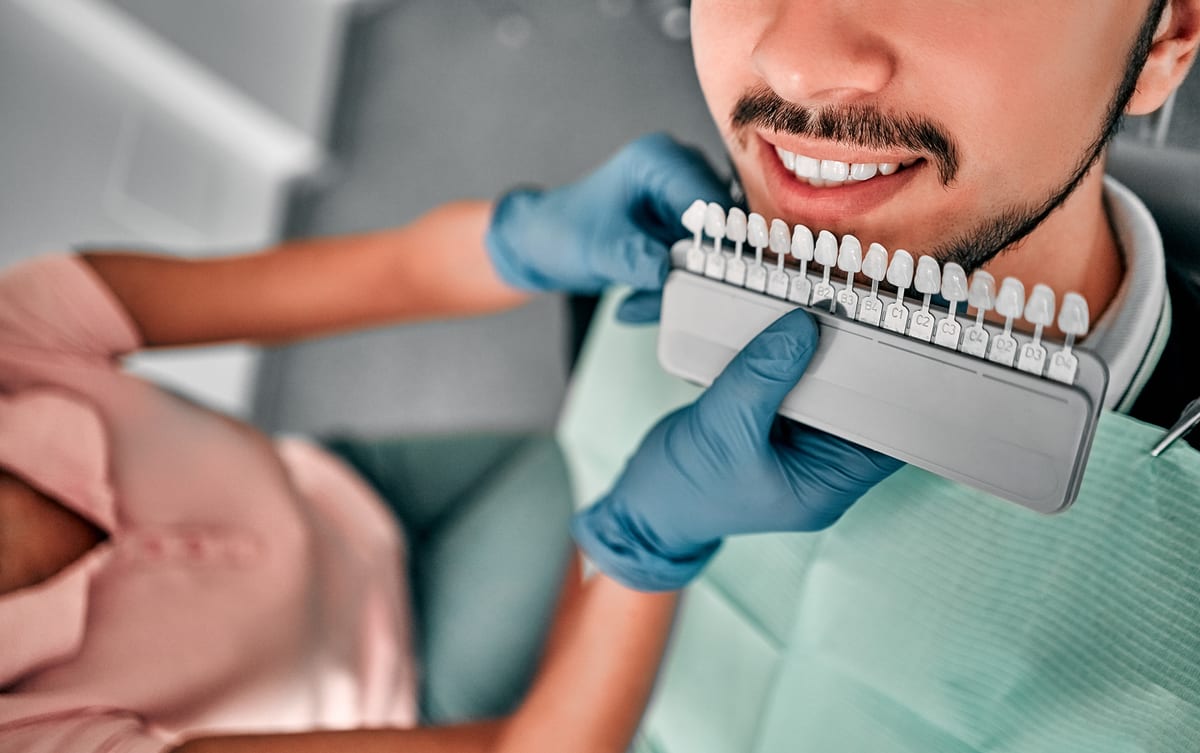
Patients with naturally yellow teeth also tend to see dramatic improvements. Yellow tones lighten significantly with peroxide-based treatments. Gray or brown tones can be more stubborn, but professional whitening still delivers noticeable results. A quick evaluation with Dr. Shah can help predict your outcome before you begin.
Here are the traits that indicate strong whitening candidacy:
- Healthy, untreated natural teeth with no active decay
- Extrinsic stains from food, drinks, or tobacco
- Naturally yellow or off-white enamel tone
- No crowns, veneers, or bonding on front visible teeth
- Good gum health with no sensitivity issues
If most of these apply to you, professional whitening could deliver the bright smile you are looking for. The results can last one to three years with proper care.
When Teeth Whitening May Not Work — Know Before You Go
Not every stain responds to whitening gel. Intrinsic stains form inside the tooth structure itself. These occur during tooth development or due to trauma. Whitening products cannot reach these deeper layers effectively.
Tetracycline antibiotics taken during childhood are a common cause of intrinsic staining. This type of discoloration appears as gray or brown banding across the teeth. Even professional-strength whitening has limited effect on tetracycline stains. Patients with this condition often benefit more from veneers or other cosmetic options.
Fluorosis is another condition that limits whitening success. Overexposure to fluoride during development creates white spots or brown patches on enamel. These patches may become more visible after whitening, not less. Dr. Shah evaluates these cases carefully before recommending any treatment.
Here are common situations where whitening delivers limited results:
- Intrinsic stains from antibiotics like tetracycline
- Fluorosis or developmental enamel defects
- Severely thinned or eroded enamel
- Tooth discoloration caused by root canal treatment or nerve damage
- Crowns, veneers, or composite bonding on front teeth
Understanding these limitations protects you from disappointment. It also guides you toward solutions that actually address your specific concern.
The Problem With Crowns, Veneers, and Dental Restorations
One of the most common surprises patients encounter involves existing dental work. Whitening gel only works on natural tooth enamel. It cannot change the color of porcelain crowns, veneers, or composite bonding. This creates a mismatch if those restorations sit in visible areas of your smile.
For example, if you have a crown on a front tooth, that crown will stay its original shade. The surrounding natural teeth may brighten noticeably. The crown will then look darker by comparison. This is a real concern Dr. Shah discusses with patients during candidacy consultations.
If you are considering Dental Implants Farmington Hills, it is worth knowing that implant crowns face the same limitation. The crown material does not respond to whitening agents. Timing matters — whitening before placing any new restoration ensures a closer color match. Planning ahead leads to a more uniform, natural-looking result.
Similarly, Dental Bonding Farmington Hills uses composite resin that resists whitening gel. If you have bonding on visible front teeth, whitening first and then replacing the bonding afterward gives better results. Dr. Shah helps coordinate this sequence for patients who need both treatments.
Professional Whitening vs. Over-the-Counter Products — What Actually Delivers
Drugstore whitening strips and toothpastes are widely available. They can reduce mild surface staining over time. However, they use lower concentrations of active whitening agents. Results are slower and less dramatic compared to professional treatments.
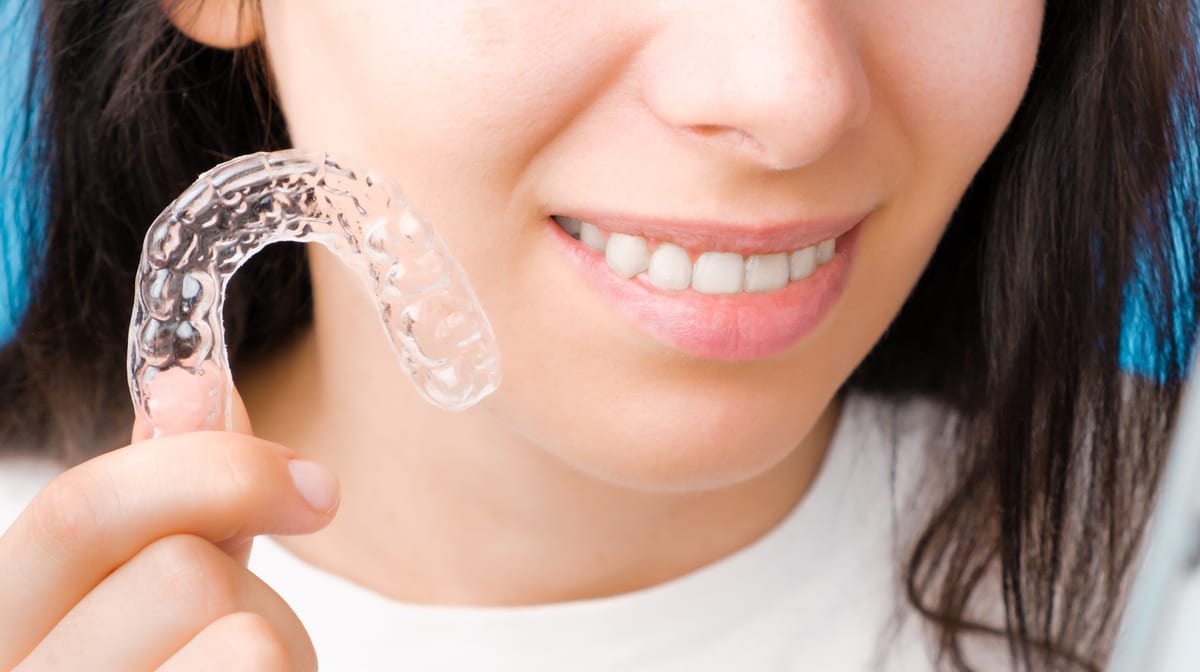
Professional in-office whitening uses higher-strength peroxide formulas under controlled conditions. Dr. Shah monitors the process to protect your gums and enamel. Most patients see several shades of improvement in a single session. Take-home professional trays also outperform over-the-counter strips because the trays fit your teeth precisely.
Custom trays ensure the whitening gel covers every surface evenly. Generic strip shapes often miss the sides and edges of teeth. Uneven whitening creates patchy results that look unnatural. A professionally fitted tray eliminates this problem from the start.
The concentration of whitening agent matters significantly. Professional formulas penetrate deeper into enamel for more thorough results. Sensitivity is managed with desensitizing agents when needed. Dr. Shah tailors each whitening plan to the patient’s comfort level and goals.
How Dr. Shah Helps You Find the Right Solution
A whitening consultation at Village Family Dentistry of Farmington Hills starts with a full smile assessment. Dr. Shah examines your enamel, existing restorations, and stain type. This step determines whether whitening is likely to deliver meaningful results for your specific situation. No treatment is recommended without that initial evaluation.
Patients who are not strong whitening candidates still have excellent options. Veneers can cover intrinsic stains completely and reshape teeth at the same time. Dental bonding corrects spots and minor discoloration at a lower cost. Crowns restore severely damaged or discolored teeth with a natural-looking result.
Every patient in Farmington Hills deserves a personalized recommendation — not a one-size-fits-all approach. Dr. Shah takes the time to explain your options clearly and honestly. You will leave your consultation with a clear picture of what is possible. That transparency builds the kind of trust that keeps patients coming back.
Ready to find out if whitening is right for you? Book Now to schedule your appointment with our team.
Frequently Asked Questions
Will teeth whitening work on crowns or veneers?
No. Whitening gel only affects natural tooth enamel. Crowns, veneers, and composite bonding will not change color with whitening treatments. If you have restorations on visible front teeth, Dr. Shah can recommend alternatives like replacing them after whitening natural teeth to achieve a consistent shade.
How long do professional whitening results last?
Professional whitening results typically last one to three years depending on your habits. Avoiding staining foods and drinks, maintaining good oral hygiene, and using touch-up trays periodically extends your results. Annual touch-up treatments are a simple way to maintain a bright smile long-term.
Is teeth whitening safe for sensitive teeth?
Most patients with mild sensitivity can still whiten safely. Dr. Shah uses desensitizing agents before and after treatment to reduce discomfort. Patients with significant sensitivity undergo a customized protocol with lower concentrations and shorter application times. A consultation helps identify the safest approach for your specific needs.
What causes intrinsic tooth stains and can they be whitened?
Intrinsic stains form inside the tooth during development or due to trauma, medications like tetracycline, or excessive fluoride exposure. Whitening gel cannot penetrate deep enough to affect these stains reliably. Veneers or dental bonding are typically better solutions for patients with intrinsic discoloration.
How do I know if I am a good candidate for teeth whitening in Farmington Hills?
The best candidates have healthy natural teeth, good gum health, and extrinsic stains from food, drinks, or tobacco. A quick evaluation with Dr. Shah at Village Family Dentistry of Farmington Hills will confirm your candidacy. He assesses your stain type, enamel condition, and existing restorations to recommend the most effective option for your smile.

By Village Family Dentistry

New patients and emergency appointments welcome