27900 New Market Rd, Farmington Hills, MI 48334


Dental Crown Lifespan: Why Some Last 20 Years, Others Don’t


Not all dental crowns are created equal — and neither are the habits that determine how long they last. Understanding the dental crown lifespan and why some last 20 years while others don’t in Farmington Hills comes down to materials, maintenance, and daily habits. At Village Family Dentistry of Farmington Hills, Dr. Shah sees firsthand how small choices make a big difference. Whether you already have a crown or you’re considering one, this guide will help you protect your investment.
How Long Should a Dental Crown Last in Farmington Hills?
On average, a dental crown lasts between 10 and 15 years. Many patients in Farmington Hills enjoy crowns that last 20 years or more. The range depends heavily on the crown material and how well patients care for their teeth.
Porcelain-fused-to-metal crowns are durable but can chip over time. All-ceramic crowns look natural but may be more vulnerable to cracking under pressure. Gold and metal alloy crowns tend to last the longest — sometimes exceeding 25 years — because of their strength.
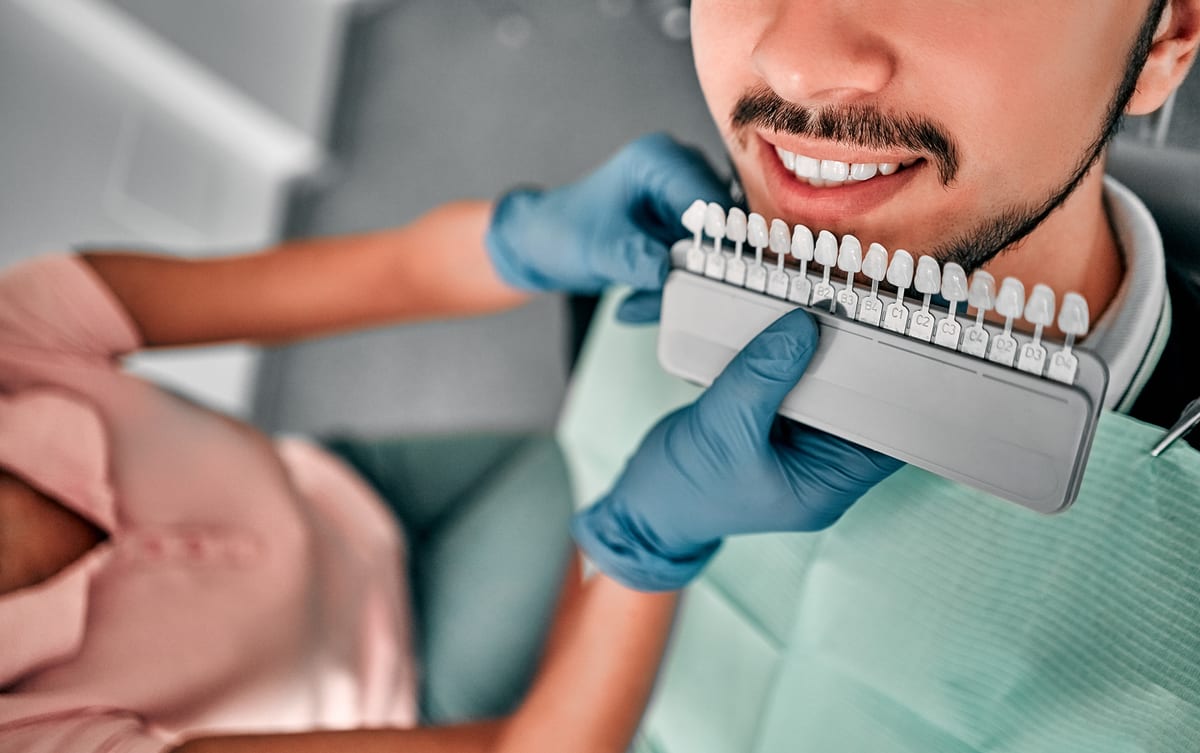
Dr. Shah recommends discussing material options during your consultation. The right choice balances appearance, function, and your individual bite. What works perfectly for one patient may not be ideal for another.
What Shortens a Crown’s Lifespan — And What You Can Do About It
Several habits and conditions can significantly reduce how long your crown lasts. Understanding these risks helps you take action early. Here are the most common crown-shortening culprits:
- Teeth grinding (bruxism): Grinding places extreme pressure on crowns, especially at night. This can crack or chip even strong materials.
- Chewing hard foods: Ice, hard candies, and tough nuts can fracture porcelain crowns.
- Poor oral hygiene: Bacteria accumulate at the crown margin, leading to decay in the underlying tooth.
- Nail biting or chewing on pens: These habits apply uneven pressure that weakens crown bonds.
- Skipping dental checkups: Small issues go undetected and become major problems over time.
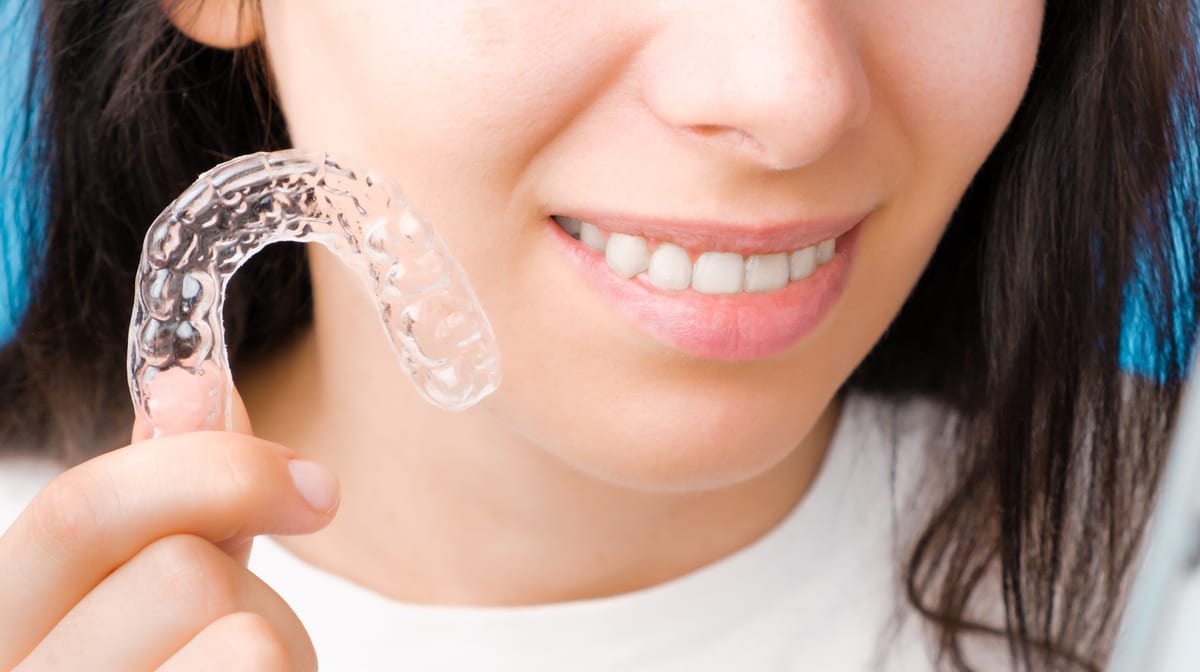
Bruxism is especially damaging. Many patients don’t even know they grind their teeth until Dr. Shah spots the wear patterns. A custom night guard can protect your crown and natural teeth from this silent threat.
Diet also plays a key role. Sticky foods like caramel can pull at the cement holding your crown in place. Hard foods can fracture porcelain in a single bite. Small dietary adjustments can add years to your crown’s life.
The Role of Oral Hygiene in Crown Longevity
Your crown itself can’t get a cavity — but the tooth underneath it can. Bacteria sneak under the crown margin and attack the natural tooth structure. This is one of the most common reasons crowns fail prematurely.
Good hygiene around your crown is straightforward. Follow these daily steps to keep the area healthy:
- Brush twice daily with a soft-bristle toothbrush and fluoride toothpaste.
- Floss carefully around the crown base — don’t skip this step.
- Use an antibacterial mouthwash to reduce bacteria near the gumline.
- Visit Dr. Shah every six months for professional cleanings and checkups.
Gum disease is another hidden threat. When gums recede, they expose the crown margin. This exposes vulnerable tooth structure to decay. Keeping your gums healthy directly protects the lifespan of your crown.
Professional cleanings remove tartar that brushing can’t reach. They also give Dr. Shah the chance to inspect your crown for early signs of wear or loosening. Prevention is always more affordable than replacement.
Signs Your Dental Crown Needs Replacing
Even a well-cared-for crown eventually shows its age. Knowing the warning signs helps you act before minor issues become complex treatments. Watch for these red flags:
- Sensitivity or pain: Discomfort when biting or drinking hot and cold beverages may signal decay beneath the crown.
- Visible cracks or chips: Damaged porcelain can harbor bacteria and irritate surrounding gum tissue.
- A loose or wobbly crown: The cement bond may have weakened, leaving the tooth exposed.
- Darkening at the gumline: This may indicate metal showing through or decay developing underneath.
- Recurring bad breath: Bacteria trapped under a poorly fitting crown can cause persistent odor.
Don’t wait until pain becomes unbearable. A loose crown left unaddressed can allow bacteria to cause serious infection. In some cases, a failing crown can lead to tooth loss — which may then require Dental Implants Farmington Hills patients count on to restore their smile.
Dr. Shah performs thorough crown evaluations at every checkup. Digital X-rays reveal what the eye can’t see. Early detection keeps your treatment options simple and affordable.
When a Crown Isn’t the Right Fix — Alternatives Worth Knowing
Sometimes a tooth doesn’t need a full crown. For minor chips, cracks, or worn edges, Dental Bonding Farmington Hills patients choose as a conservative option can be highly effective. Bonding uses tooth-colored resin to restore shape and function without removing natural tooth structure.
Dr. Shah takes a conservative approach to treatment planning. The goal is always to preserve as much natural tooth as possible. Crowns are recommended only when the tooth truly needs full coverage protection.
Understanding your options empowers you to make confident decisions about your dental health. A second opinion or a detailed consultation can clarify whether a crown, bonding, or another solution is right for your situation.
Maximizing Your Crown’s Lifespan in Farmington Hills
Getting the most out of your dental crown is a team effort. Dr. Shah and the Village Family Dentistry team provide expert placement and ongoing monitoring. But day-to-day habits at home make just as much difference.
Wear your night guard if you grind your teeth. Eat thoughtfully and avoid habits that stress your crown. Brush, floss, and keep those six-month appointments. These simple steps are the difference between a crown that lasts a decade and one that lasts two.
Farmington Hills patients who follow these guidelines regularly report crowns that perform beautifully for 15 to 20 years or more. The dental crown lifespan — and why some last 20 years while others don’t in Farmington Hills — ultimately comes down to consistent, informed care. Book Now to schedule your appointment with our team.
Frequently Asked Questions
How long do dental crowns typically last?
Most dental crowns last between 10 and 15 years with proper care. Many patients enjoy crowns that last 20 years or longer. Material choice, oral hygiene, and habits like teeth grinding all affect longevity significantly.
Can a dental crown get a cavity?
The crown material itself cannot decay. However, the natural tooth underneath can develop a cavity if bacteria get beneath the crown margin. This is why brushing, flossing, and regular checkups remain essential even after a crown is placed.
What should I do if my dental crown feels loose?
Contact Dr. Shah at Village Family Dentistry of Farmington Hills right away. A loose crown leaves the underlying tooth exposed to bacteria and damage. Prompt care can often save the crown and protect the tooth beneath it.
Does teeth grinding really damage dental crowns?
Yes — bruxism is one of the leading causes of premature crown failure. Grinding places intense, repetitive pressure on crowns and can cause cracking or chipping. A custom night guard is a simple, effective solution that protects your crown while you sleep.
Is it painful to have a dental crown replaced?
Crown replacement is typically straightforward and performed under local anesthesia. Most patients experience minimal discomfort during the procedure. Dr. Shah uses gentle techniques to make the process as comfortable as possible for every patient in Farmington Hills.

By Village Family Dentistry
New patients and emergency appointments welcome