27900 New Market Rd, Farmington Hills, MI 48334


Veneer Placement in Franklin, MI

Many Franklin patients ask the same question before their first appointment: what actually happens to your tooth during veneer placement? It is a fair question. Understanding the process can ease anxiety and help you make an informed decision. At Village Family Dentistry of Farmington Hills, Dr. Shah walks every patient through each step before anything begins.
Veneers fall under the broader category of Cosmetic Dentistry, which focuses on improving the appearance of your smile. They are thin porcelain or composite shells that bond directly to the front of your teeth. The process involves more than simply gluing something onto a tooth. There are deliberate, carefully sequenced steps that protect both your smile and your long-term dental health.
What Happens to Your Tooth During Veneer Placement in Franklin: The Consultation Phase
Every veneer journey begins with a thorough consultation. Dr. Shah examines your teeth, gums, and bite before recommending veneers as the right solution. This step matters because not every tooth is a good candidate for veneers.
During this visit, you and Dr. Shah will discuss your smile goals. Do you want to close gaps? Correct discoloration? Reshape uneven teeth? Your answers guide the treatment plan. Digital imaging or impressions may also be taken at this stage.
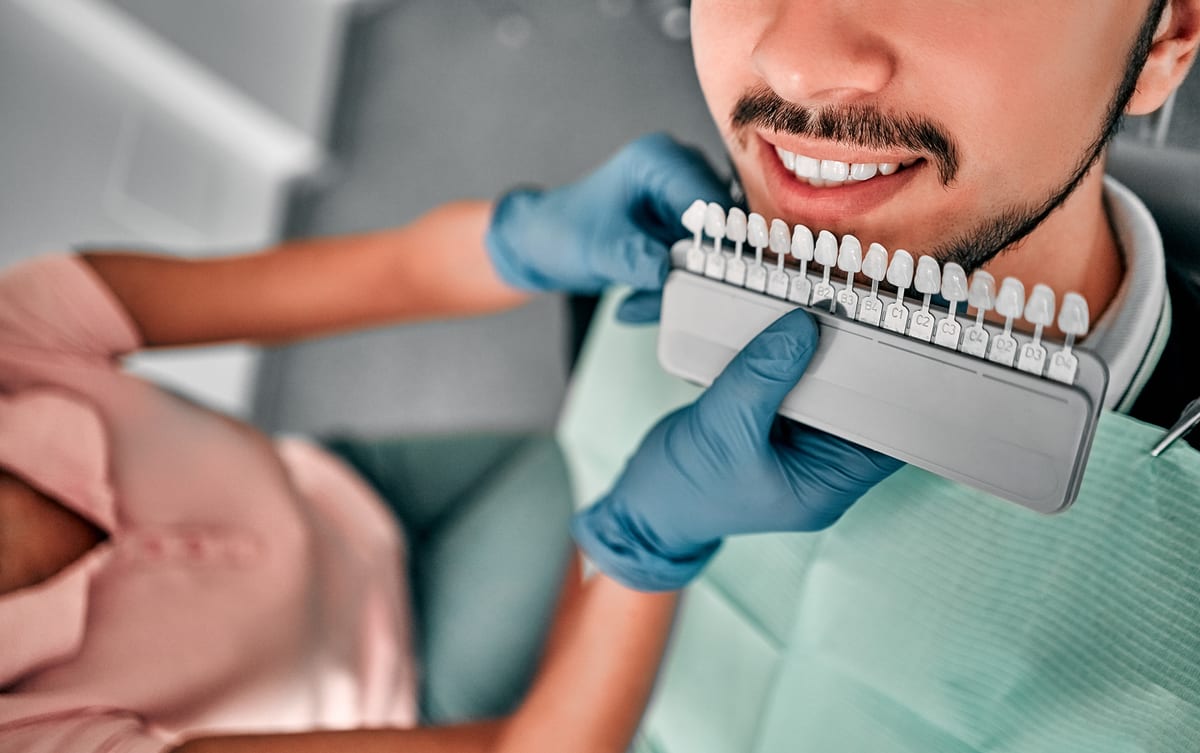
Shade selection often begins here as well. Dr. Shah uses a shade guide to help you choose a porcelain color that looks natural. The goal is a result that blends seamlessly with your surrounding teeth. Most patients prefer a shade that is bright but not unnaturally white.
Enamel Preparation: What Gets Removed and Why
This is the step that surprises many patients. A small amount of enamel must be removed from the front surface of each tooth receiving a veneer. Typically, this amounts to about 0.5 millimeters — roughly the thickness of a contact lens.
Enamel removal is necessary for a very specific reason. Without it, the veneer would sit on top of your tooth and appear bulky or unnatural. Removing a thin layer creates the space the veneer needs to fit flush with surrounding teeth.
This step is permanent. Once enamel is removed, it does not grow back. That is why the consultation is so important — Dr. Shah ensures veneers are the right choice before any preparation begins. Local anesthesia is typically used so the process is comfortable.
- Only a minimal layer of enamel is removed — about 0.5 mm
- This step creates a natural-looking, flush fit
- The tooth is reshaped, not damaged or weakened significantly
- Anesthesia keeps the preparation process comfortable
- The change is permanent, so the decision requires careful thought
The Temporary Veneer Phase: Protecting Your Tooth Between Visits
After enamel preparation, your permanent veneers are not ready yet. They are custom-crafted at a dental lab based on impressions taken during your visit. This process typically takes one to two weeks.
During that time, Dr. Shah places temporary veneers over your prepared teeth. These temporaries protect the exposed enamel and give you a preview of your final results. They are not as polished as permanent veneers, but they function normally.
You may notice some sensitivity during the temporary phase. This is common and usually mild. Avoid hard or crunchy foods that could dislodge the temporaries. Good oral hygiene remains important — brush and floss gently around them.
- Temporary veneers protect teeth while the lab crafts your permanent ones
- They offer an early preview of your new smile shape
- Mild sensitivity during this phase is normal
- Avoid hard, sticky, or very hot foods while wearing temporaries
- Gentle brushing and flossing keep gums healthy during the wait
Final Bonding: How Your Permanent Veneer Is Placed
When your permanent veneers arrive from the lab, you return for the bonding appointment. Dr. Shah first places each veneer on the tooth without adhesive to check the fit and color. Minor adjustments may be made at this stage.
Once the fit is confirmed, the tooth surface is cleaned and lightly etched. Etching creates a slightly rough texture that helps the bonding cement adhere securely. A special dental adhesive is then applied to the back of the veneer.
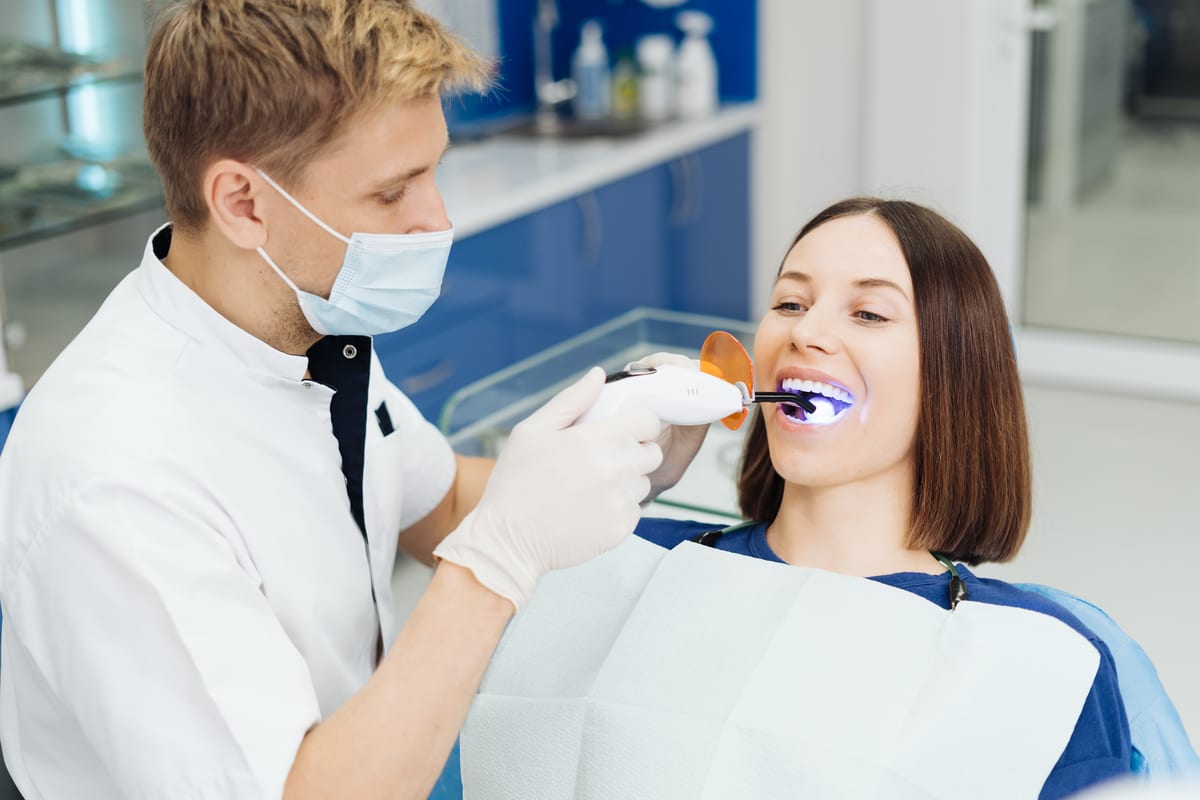
The veneer is carefully positioned on the tooth. A curing light activates the bonding cement in seconds, locking the veneer permanently in place. Dr. Shah trims any excess cement and checks your bite to ensure everything feels natural.
Veneers share some similarities with Dental Crowns Bridges in that both involve custom-fabricated restorations bonded to your tooth structure. However, veneers cover only the front surface, while crowns encase the entire tooth. This makes veneers a more conservative option for primarily cosmetic concerns.
Caring for Your Veneers After Placement
Veneers are durable, but they are not indestructible. With proper care, porcelain veneers can last ten to fifteen years or longer. Daily habits play a major role in how long they last.
Brushing twice daily with a non-abrasive toothpaste protects the veneer surface. Flossing daily keeps the gumline healthy around each veneer. Routine professional cleanings at Village Family Dentistry of Farmington Hills help maintain both your veneers and your overall oral health.
Avoid habits that put unnecessary stress on veneers. Biting fingernails, chewing ice, or using teeth as tools can chip the porcelain. If you grind your teeth at night, Dr. Shah may recommend a custom night guard to protect your investment.
Frequently Asked Questions
Does veneer placement hurt?
Most patients experience little to no discomfort during preparation. Dr. Shah uses local anesthesia to keep the enamel removal process comfortable. Some mild sensitivity after the appointment is normal and typically resolves within a few days.
How long does the veneer placement process take?
The full process usually requires two appointments spread one to two weeks apart. The first visit covers consultation and tooth preparation. The second visit is the final bonding appointment, which typically takes one to two hours depending on how many veneers are placed.
Will my veneers look natural?
Yes. Dr. Shah carefully selects the shade and shape of each veneer to match your natural teeth and facial features. Porcelain veneers reflect light similarly to natural enamel, creating a result that looks genuine rather than artificial.
Can veneers be placed on any tooth?
Veneers work best on teeth that are structurally sound and have sufficient enamel. Teeth with significant decay, large existing fillings, or severe misalignment may not be ideal candidates. Dr. Shah evaluates each tooth individually during the consultation.
What is the difference between a veneer and a dental crown?
A veneer covers only the front surface of a tooth and requires minimal enamel removal. A dental crown encases the entire tooth and is typically used when more structural support is needed. Dr. Shah will recommend the most conservative option that meets your dental needs.
Understanding what happens to your tooth during veneer placement in Franklin helps you approach the process with confidence. Dr. Shah and the team at Village Family Dentistry of Farmington Hills are committed to keeping you informed at every step. Book Now to schedule your appointment with our team.

By Village Family Dentistry

New patients and emergency appointments welcome