27900 New Market Rd, Farmington Hills, MI 48334


Invisalign Timeline: Why Some Patients Finish in 12 Months, Others Need 24

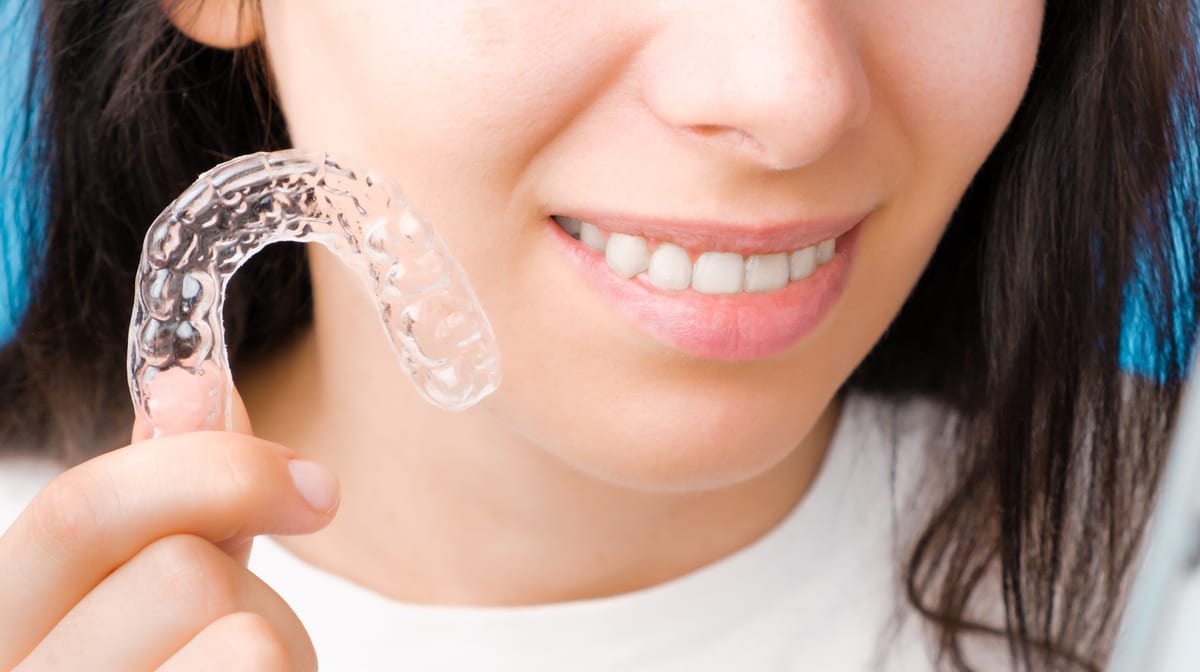
One of the most common questions patients ask Dr. Shah at Village Family Dentistry of Farmington Hills is simple: How long will my Invisalign treatment take? The honest answer is that it depends. Understanding the Invisalign timeline — why some patients finish in 12 months, others need 24 in Farmington Hills — helps you plan realistically. Your case complexity, daily habits, and compliance all play major roles. This article breaks down exactly what influences your treatment length.
What Is the Average Invisalign Timeline in Farmington Hills?
Most adult patients complete Invisalign treatment in 12 to 18 months on average. Teens may follow a slightly different schedule depending on jaw development. Some mild cases resolve in as few as 6 months. More complex alignment issues can push treatment to 24 months or beyond.
Dr. Shah uses a detailed clinical assessment before predicting your timeline. This includes digital scans, bite analysis, and a review of your overall oral health. No two smiles are identical, so no two timelines are either. Your personalized treatment plan will map out every aligner stage from start to finish.
Think of Invisalign as a series of incremental steps. Each aligner tray moves your teeth a fraction of a millimeter. More movement needed means more trays — and more time. Understanding this helps set realistic expectations from day one.
Factors That Can Shorten Your Invisalign Treatment Time
Some patients are genuinely surprised when they finish ahead of schedule. Certain factors make that possible. Knowing them helps you be proactive about your own results.
- Mild to moderate misalignment: Patients with minor crowding or spacing issues move through trays faster.
- High compliance with wear time: Wearing aligners 20–22 hours per day is non-negotiable for faster results.
- Consistent check-in appointments: Regular visits with Dr. Shah allow timely progression to new trays.
- Good oral hygiene: Healthy gums and teeth respond better to orthodontic movement.
- Younger age: Younger adult teeth and bone tend to shift more readily.
Compliance is the single biggest factor you can control. Patients who wear their aligners consistently and attend every appointment almost always finish on the earlier end of the projected timeline.
What Extends the Invisalign Timeline Beyond 18 Months?
Just as some habits speed things up, others slow them down significantly. Extended timelines are not uncommon — they just require honest self-reflection. Many delays are entirely preventable.
- Severe crowding or bite issues: Complex cases require more aligner stages and longer movement windows.
- Skipping or losing trays: Missing even a few days of wear sets back your progress noticeably.
- Removing aligners too often: Eating, drinking, and socializing without aligners adds up quickly.
- Missed appointments: Delayed check-ins mean delayed approvals to move to the next aligner set.
- Refinements needed mid-treatment: Sometimes teeth do not move exactly as planned, requiring new trays.
Refinements are a normal part of the process for many patients. Dr. Shah will monitor your progress closely at every visit. If a refinement phase is needed, it adds weeks or months to the total timeline. The good news is that refinements are designed to get you to the best possible final result.
The Role of Compliance: Why Your Habits Drive Your Timeline
No aligner system works without patient commitment. Invisalign is removable — which is a feature and a responsibility. Every hour your aligners sit on a nightstand instead of your teeth, your treatment stalls.
Dr. Shah recommends setting phone reminders to track wear time each day. Aligner apps can also log your daily hours automatically. Most patients find that building a consistent routine — aligners in immediately after eating — makes compliance feel natural rather than burdensome.
It helps to understand what happens biologically. Consistent pressure on teeth triggers bone remodeling, which allows movement. Inconsistent wear interrupts that process. Your teeth may even shift slightly backward without regular wear, forcing your timeline to extend further.
Think of your aligners like a workout program. Skipping sessions slows your progress and may require extra work to catch up. Staying consistent is the most powerful thing you can do to hit your target finish date.
How Dr. Shah Approaches Invisalign Planning in Farmington Hills
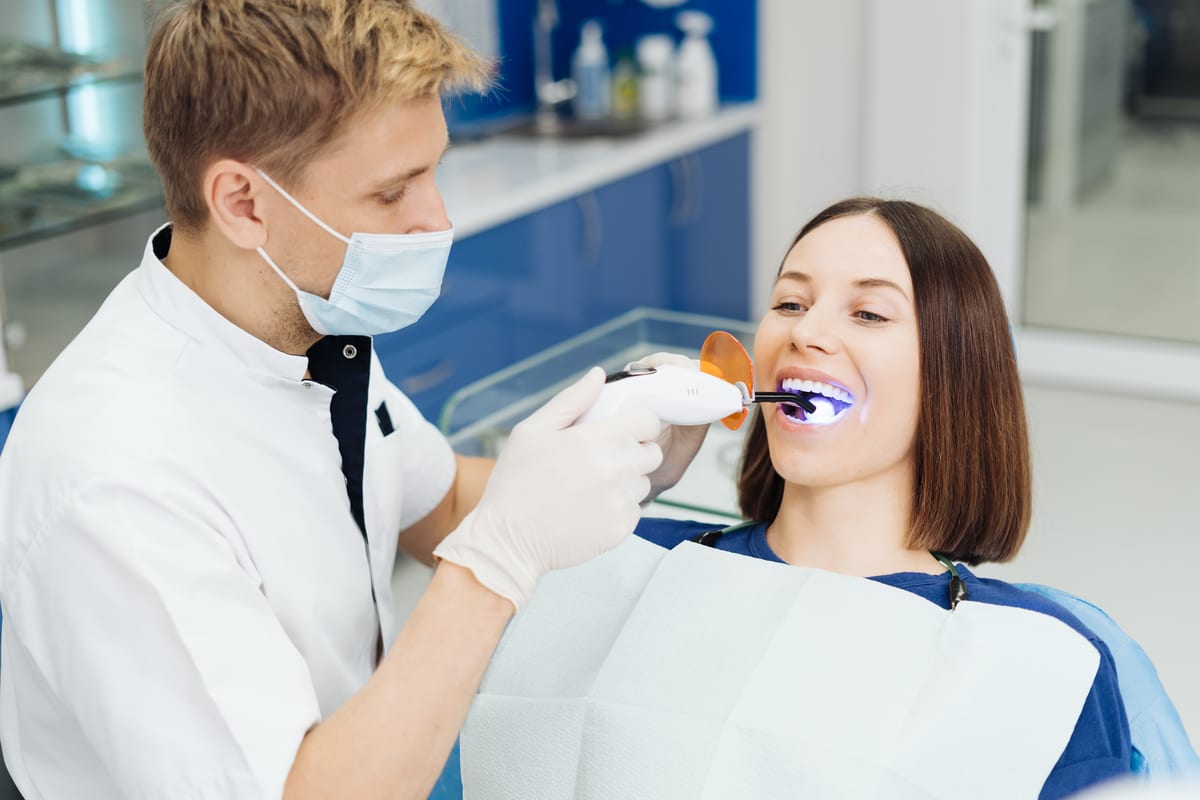
At Village Family Dentistry of Farmington Hills, treatment planning starts well before your first aligner tray arrives. Dr. Shah uses advanced 3D imaging technology to map out your full treatment arc. This gives you a visual preview of your projected results before you even begin.
Every patient receives a custom timeline estimate during the consultation. Dr. Shah explains which factors apply to your specific case. He also walks you through what happens if refinements become necessary. Transparency and education are central to the experience here.
Beyond Invisalign, patients sometimes ask about complementary cosmetic options after treatment. Procedures like Dental Bonding Farmington Hills can address minor chips or gaps that remain after alignment is complete. In other cases, patients explore Dental Implants Farmington Hills if missing teeth are part of a broader smile restoration plan. Dr. Shah discusses all options so you can make informed decisions at every stage.
Setting Realistic Expectations Before You Start
The best mindset going into Invisalign is one of informed patience. Your smile took years to develop its current alignment. Correcting it takes months of consistent effort. Rushing the process or skipping steps does not produce better results — it produces setbacks.
Most patients in Farmington Hills find the process very manageable once they adjust to wearing aligners daily. Mild speech changes and initial discomfort typically resolve within the first one to two weeks. After that, the routine becomes second nature.
Ask Dr. Shah during your consultation about your estimated aligner count and projected milestones. Having clear benchmarks helps you stay motivated throughout treatment. Celebrating each completed set of trays keeps your momentum going.
Conclusion
Understanding the Invisalign timeline — why some patients finish in 12 months, others need 24 in Farmington Hills — puts you in control of your own results. Complexity of your case matters, but so does your daily commitment to wearing your aligners. Dr. Shah and the team at Village Family Dentistry of Farmington Hills are here to guide you every step of the way. Book Now to schedule your appointment with our team.
Frequently Asked Questions
How long does Invisalign take for mild crowding?
Mild crowding cases often resolve in 6 to 12 months with Invisalign. Consistent daily wear of 20 to 22 hours is essential to hitting that shorter timeline. Dr. Shah will give you a personalized estimate after your initial assessment.
What happens if I miss a few days of wearing my aligners?
Missing aligner wear time slows tooth movement and can extend your overall treatment. In some cases, teeth may shift slightly back toward their original position. Dr. Shah recommends wearing your current tray longer to compensate before moving to the next set.
Are refinements common during Invisalign treatment?
Yes, refinements are a normal part of the process for many patients. They involve creating new aligner trays to fine-tune results when teeth have not moved exactly as planned. Refinements add time to your timeline but are designed to optimize your final outcome.
Can I speed up my Invisalign treatment?
The most effective way to stay on schedule is strict compliance — wearing aligners 20 to 22 hours per day every day. Some patients use AcceleDent or similar vibration devices to support bone remodeling, but results vary. Always consult Dr. Shah before adding any adjunct tools to your routine.
Does age affect how long Invisalign takes?
Younger adult patients often experience faster tooth movement because their bone is more responsive to orthodontic forces. Older adults can still achieve excellent results, but the process may take slightly longer. Dr. Shah accounts for age and bone density when estimating your treatment timeline.

By Village Family Dentistry

New patients and emergency appointments welcome