27900 New Market Rd, Farmington Hills, MI 48334


Does a Root Canal Really Hurt? What to Expect During Treatment

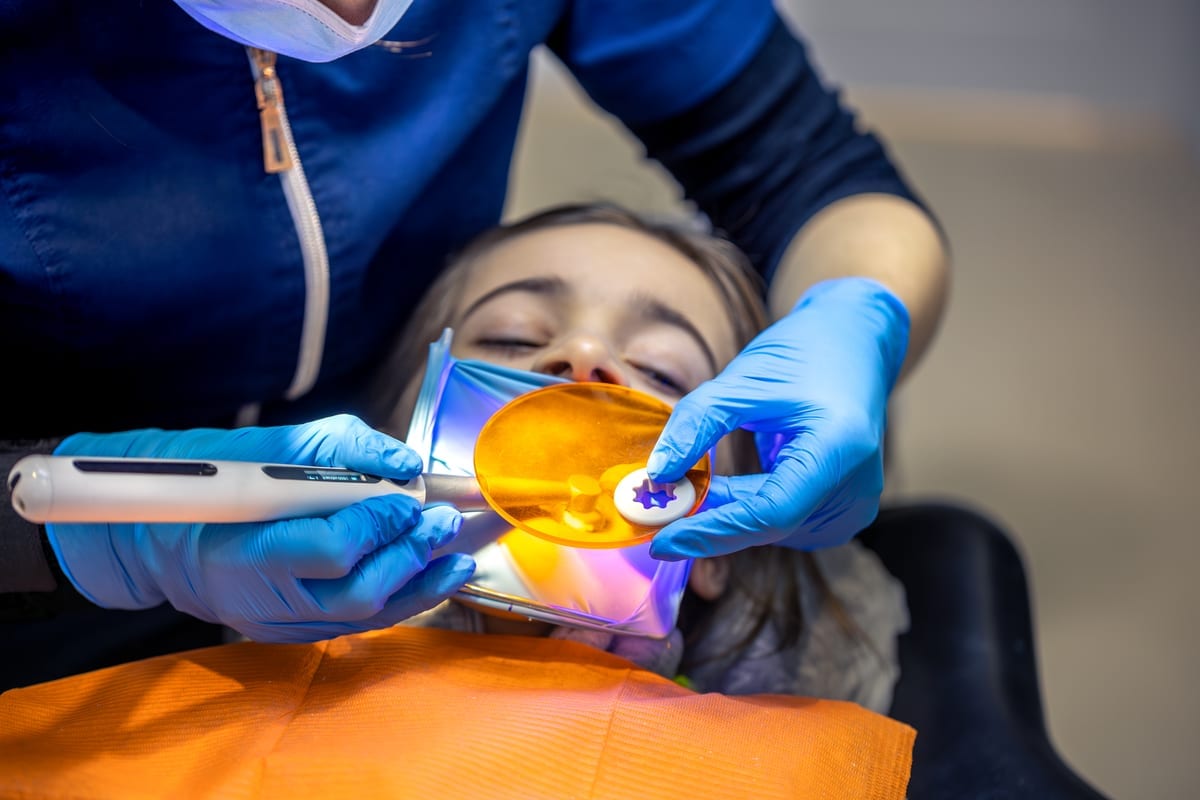
Many patients ask the same question before their appointment: does a root canal really hurt? It’s one of the most common fears in dentistry. The good news is that modern root canal treatment in Farmington Hills is far more comfortable than most people expect. At Village Family Dentistry of Farmington Hills, Dr. Shah uses advanced techniques to make the process as pain-free as possible.
Let’s break down exactly what you’ll feel — before, during, and after treatment. Understanding the process helps eliminate fear and puts you in control of your dental health.
The Truth About Root Canal Pain: What Does a Root Canal Really Hurt Feel Like?
Root canals have a bad reputation — but that reputation is outdated. Most of the fear comes from stories passed down over generations. Today, the procedure itself should feel no more uncomfortable than getting a filling.
The real pain is usually what brings you to the dentist in the first place. An infected or damaged tooth pulp causes intense, throbbing discomfort. The root canal actually relieves that pain rather than causing it.
Here’s what most patients report during treatment:
- Mild pressure during the procedure
- No sharp or shooting pain (thanks to anesthesia)
- Occasional vibration from dental instruments
- A sense of relief once the infected tissue is removed
Dr. Shah takes time to ensure every patient is fully numb before beginning. If you feel anything uncomfortable, you can signal the team immediately. Your comfort is always the priority.
How Modern Anesthesia Makes Root Canal Treatment in Farmington Hills Comfortable
Local anesthesia is the cornerstone of a pain-free root canal. Dr. Shah administers the anesthetic carefully to numb the tooth and surrounding tissue completely. Most patients are surprised by how little they feel once the area is numb.
The injection itself may cause a brief sting. That passes within seconds. After that, the entire treatment area is thoroughly numb — typically within a few minutes.
For patients with dental anxiety, additional comfort options may be discussed. Relaxation techniques and a calm, supportive environment help ease nerves significantly. The team at Village Family Dentistry of Farmington Hills is trained to make anxious patients feel safe and heard.
Modern anesthetic formulas are also stronger and longer-lasting than older versions. They stay effective throughout the entire procedure. You won’t feel the work being done — only the result: relief.
What Happens Step by Step During the Procedure
Knowing what to expect removes uncertainty. Here is the typical process Dr. Shah follows during a root canal at Village Family Dentistry of Farmington Hills:
- Examination and X-rays: The tooth is evaluated to confirm the extent of the infection or damage.
- Anesthesia: Local anesthetic is applied to fully numb the tooth and surrounding gum tissue.
- Isolation: A small rubber dam is placed to keep the area clean and dry during treatment.
- Pulp removal: Tiny instruments remove the infected or inflamed pulp from inside the tooth.
- Cleaning and shaping: The root canals are cleaned, shaped, and disinfected thoroughly.
- Sealing: The canals are filled with a biocompatible material called gutta-percha.
- Restoration: A crown or filling is placed to protect the tooth long-term.
The entire visit typically takes between 60 and 90 minutes. More complex cases may require a follow-up appointment. Dr. Shah will walk you through your specific treatment plan in detail beforehand.
What to Expect After a Root Canal: Recovery and Aftercare in Farmington Hills
Once the anesthesia wears off, some mild soreness is normal. This usually lasts one to three days. Over-the-counter pain relievers like ibuprofen typically manage this discomfort effectively.
Most patients return to work or normal activities the very next day. Swelling and sensitivity around the treated tooth are common but temporary. Eating soft foods for a day or two makes recovery more comfortable.
Here are some helpful aftercare tips:
- Avoid chewing on the treated side until your crown is placed
- Take any prescribed medications as directed
- Stick to soft foods like yogurt, soup, and mashed potatoes initially
- Brush and floss gently around the area
- Contact the office if pain worsens after three days
Serious complications after a root canal are rare. If you experience increasing swelling or fever, contact Village Family Dentistry of Farmington Hills right away. Most recovery experiences are smooth and uneventful.
When a Root Canal Is the Better Choice Over Extraction
Some patients wonder if removing the tooth is the easier option. In most cases, saving your natural tooth is the smarter long-term decision. A root canal preserves the tooth’s structure and keeps surrounding teeth properly aligned.
Tooth loss can lead to bone loss in the jaw over time. It also creates gaps that affect your bite and appearance. Replacing a missing tooth with Dental Implants Farmington Hills is effective, but saving the original tooth is always preferred when possible.
In some situations where a tooth cannot be saved, cosmetic options like Dental Bonding Farmington Hills can help restore the appearance of nearby teeth. Dr. Shah evaluates every case individually to recommend the best path forward for your oral health.
Root canal treatment has an excellent success rate. Most treated teeth last many years — often a lifetime — with proper care. Protecting your natural tooth is almost always worth it.
Conclusion: Don’t Let Fear Delay Your Treatment
Fear of pain keeps too many patients from getting the care they need. But the honest answer to the question many ask — does a root canal really hurt — is: not with today’s techniques. Dr. Shah and the team at Village Family Dentistry of Farmington Hills are committed to making every visit comfortable and stress-free. If you’re experiencing tooth pain or have been told you may need a root canal, don’t wait. Early treatment leads to easier recovery and better outcomes. Book Now to schedule your appointment with our team.
Frequently Asked Questions
Does a root canal really hurt during the procedure?
No — with proper local anesthesia, most patients feel little to no pain during the procedure. You may notice pressure or vibration, but not sharp pain. Dr. Shah ensures the treatment area is fully numb before beginning any work.
How long does recovery take after a root canal in Farmington Hills?
Most patients feel back to normal within two to three days. Mild soreness around the treated tooth is common but manageable with over-the-counter pain relief. Serious discomfort beyond three days warrants a call to the office.
How many appointments does a root canal require?
Most root canals are completed in one or two appointments. The complexity of the infection and the number of root canals in the tooth can affect the timeline. Dr. Shah will outline the expected number of visits during your consultation.
Is it normal to feel pressure during a root canal?
Yes, some pressure is completely normal even when you’re fully numb. This happens because the instruments used during treatment press against the surrounding tissue. Pressure is not the same as pain — most patients tolerate it very well.
What happens if I don’t get a root canal when I need one?
Leaving an infected tooth untreated allows the infection to spread. It can reach surrounding teeth, the jawbone, or even become a systemic health concern. Getting treatment promptly protects both your oral health and your overall wellbeing.

By Village Family Dentistry



New patients and emergency appointments welcome