27900 New Market Rd, Farmington Hills, MI 48334


Why Your Dentures Stop Fitting and What to Do About It

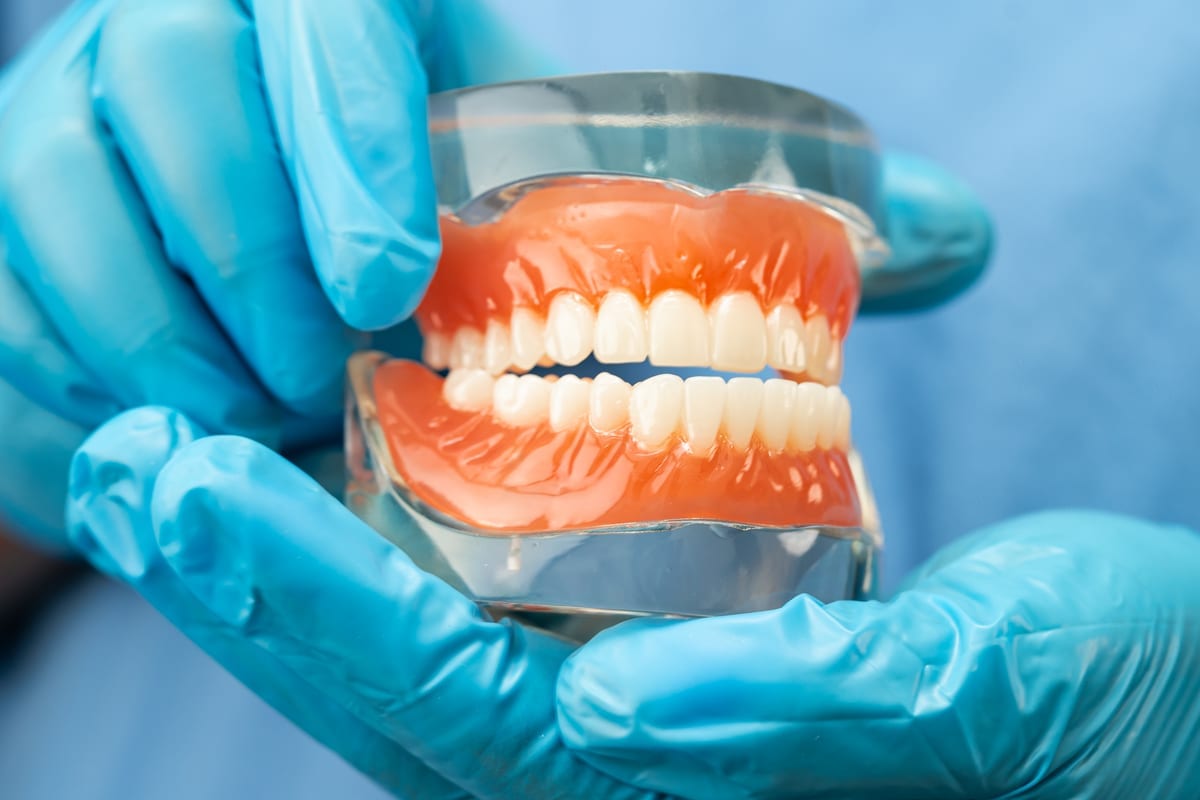
If your dentures once fit perfectly but now feel loose or uncomfortable, you are not imagining it. Many patients in Farmington Hills ask why their dentures stop fitting and what to do about it. The answer involves a natural biological process that begins the moment teeth are lost. Understanding this process can help you take the right steps before small discomfort becomes a bigger problem.
The Science Behind Why Dentures Stop Fitting in Farmington Hills
When teeth are removed, the jawbone beneath them begins to change shape. This process is called bone resorption. The bone that once anchored your teeth no longer receives stimulation, so the body gradually reabsorbs it.
This bone loss is slow but steady. Most people lose a noticeable amount of bone volume within the first year after extraction. Over time, the ridge that supports your denture shrinks and flattens.
Your dentures were made to fit the shape of your jaw at a specific point in time. As your jaw changes, that fit becomes increasingly poor. Loose dentures are almost always a sign of bone resorption rather than a manufacturing defect.
The rate of resorption varies from person to person. Age, nutrition, and overall health all play a role. However, nearly every denture wearer will experience some degree of fit change over the years.
Signs Your Dentures No Longer Fit Properly
Catching a poor fit early makes treatment easier. Watch for these common warning signs:
- Dentures slipping or clicking when you speak or eat
- Sore spots, irritation, or pressure points on your gums
- Difficulty chewing foods you once managed easily
- Visible gaps between the denture and your gum tissue
- Needing increasing amounts of denture adhesive to keep them in place
- Changes in your facial appearance, such as sunken cheeks or a collapsed bite
Many patients adapt to these changes slowly and may not notice how much their fit has deteriorated. A professional evaluation at Village Family Dentistry of Farmington Hills can reveal problems you might overlook on your own.
Do not wait until pain or sores develop. Ill-fitting dentures can cause chronic gum irritation and accelerate further bone loss. Early action protects both your comfort and your long-term oral health.
Your Options When Dentures Stop Fitting: Relining, Rebasing, and Replacement
Once Dr. Shah confirms that your dentures no longer fit correctly, there are three main paths forward. The right choice depends on how much has changed and the current condition of your denture.
Relining is the most common first step. A reline adds new material to the inside surface of your existing denture. This reshapes the fitting surface to match your current gum contours. Relines can be done chairside in one visit or sent to a lab for a more precise result.
Rebasing goes a step further. The entire acrylic base of the denture is replaced while keeping the existing teeth. Rebasing is a good option when the base has worn out but the teeth themselves are still in good shape.
Replacement is necessary when relining or rebasing can no longer correct the fit. Dentures typically last between five and ten years. After that, a new set is often the safest and most comfortable solution.
Each option has its place depending on your specific situation. Dr. Shah will walk you through the pros and cons based on a thorough examination of your jaw and existing dentures.
Why Dental Implants Are Worth Considering
If you are tired of dealing with dentures that keep losing their fit, you may want to explore a more permanent alternative. Dental Implants Farmington Hills offer a solution that actually addresses the root cause of the problem.
Implants are titanium posts surgically placed into the jawbone. They act as artificial tooth roots and stimulate the bone the same way natural teeth do. This stimulation slows or stops bone resorption entirely.
Implant-supported dentures snap onto these posts for a secure, stable fit. You get the function of fixed teeth without the ongoing fit problems that traditional dentures create. Many patients find that implant-supported options dramatically improve their quality of life.
Not everyone is a candidate for implants right away. Bone volume is an important factor. However, even patients who have experienced significant bone loss may still qualify after a thorough evaluation. Ask Dr. Shah whether implants are a realistic option for your situation.
How Village Family Dentistry of Farmington Hills Can Help
At Village Family Dentistry of Farmington Hills, Dr. Shah takes a patient-centred approach to denture care. Every evaluation begins with a careful assessment of your current fit, bone structure, and oral health. From there, a personalised treatment plan is created.
We also offer Dental Bonding Farmington Hills as part of our broader restorative and cosmetic services. For patients managing partial tooth loss or cosmetic concerns alongside denture issues, this can be a helpful complementary treatment.
Here is what you can expect when you visit us about denture fit concerns:
- A thorough clinical exam of your gums, jaw, and existing dentures
- Digital or physical impressions to assess the current fit accurately
- A clear explanation of your options with honest guidance on each
- A treatment plan tailored to your goals and comfort level
Our team understands that denture problems can affect your confidence and daily life. We approach every conversation with empathy and clarity. You will never feel rushed or pressured into a decision.
Farmington Hills patients trust Village Family Dentistry for honest, thorough dental care. If your dentures have been bothering you, there is no reason to keep waiting. The sooner you act, the more options you will have. Book Now to schedule your appointment with our team.
Frequently Asked Questions
How often should dentures be professionally checked for fit?
Most dentists recommend a professional denture evaluation at least once a year. Even if your dentures feel comfortable, your jawbone continues to change over time. Regular checkups allow Dr. Shah to catch fit issues early and address them before they become painful or damaging.
Can I reline my dentures at home with an over-the-counter kit?
Home relining kits are widely available, but they are not a recommended long-term solution. They can alter your bite in ways that cause jaw pain and further gum irritation. A professional reline done in our office uses accurate impressions and laboratory-grade materials for a result that is both comfortable and safe.
How long do dentures typically last before needing replacement?
Most traditional dentures last between five and ten years with proper care. However, the fit will change well before that due to ongoing bone resorption. Regular relining can extend the useful life of your dentures, but replacement is eventually necessary for most patients.
Does bone loss from dentures ever stop on its own?
Unfortunately, bone resorption does not stop on its own once teeth are removed. Without the stimulation of tooth roots or implants, the jawbone continues to shrink gradually throughout life. Implant-supported dentures are currently the most effective way to slow or prevent further bone loss after tooth extraction.
What happens if I ignore ill-fitting dentures?
Ignoring a poor denture fit can lead to chronic gum sores, difficulty eating, and accelerated bone loss. Over time, it can also affect your facial structure and speech. Ill-fitting dentures are easier to correct when caught early, so scheduling an evaluation as soon as you notice changes is always the better choice.

By Village Family Dentistry


New patients and emergency appointments welcome