27900 New Market Rd, Farmington Hills, MI 48334


Why Teeth Whitening Does Not Work the Same for Everyone

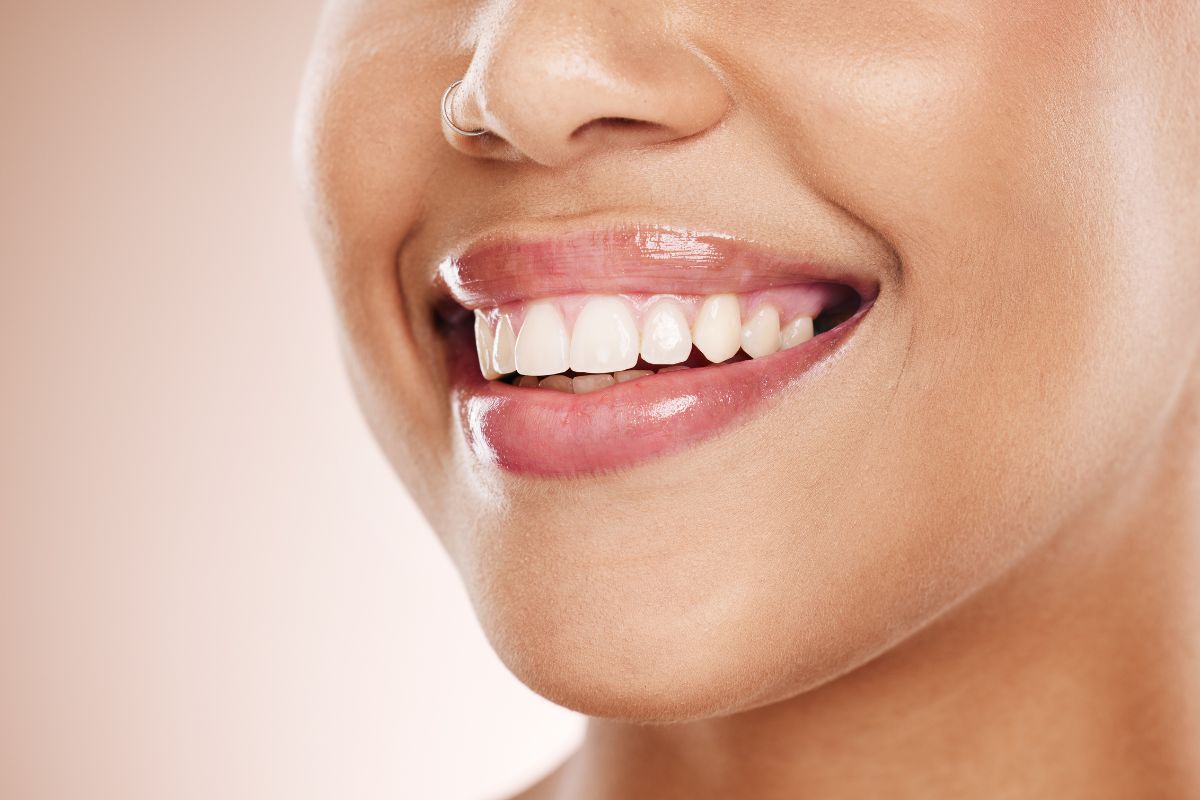
Most people assume whitening is straightforward — apply the product, get white teeth. But that is not always what happens. Some people see dramatic results. Others notice very little change. The difference almost always comes down to one thing: the type of staining on their teeth.
This is something that does not get talked about enough, and if you have tried whitening products before without much success, this is likely why.
Two Types of Tooth Discoloration — And Why It Matters
Extrinsic Stains
These sit on the outer surface of the tooth enamel. They come from:
- Coffee, tea, and red wine
- Tobacco use
- Certain sauces and dark-colored foods
- Poor brushing habits over time
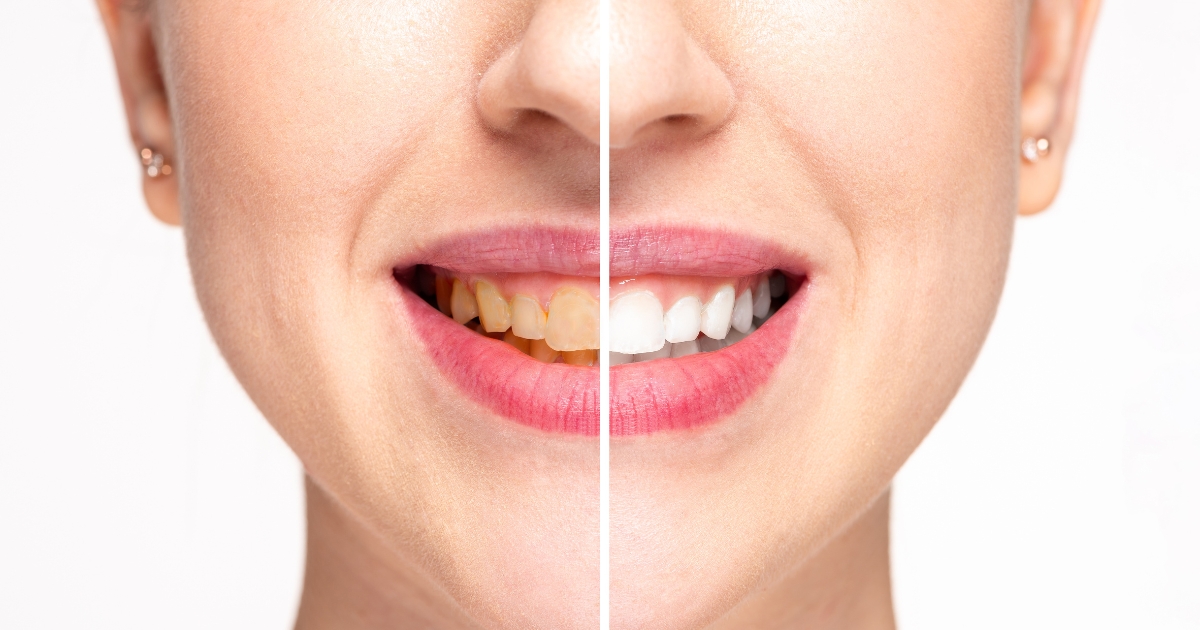
Extrinsic stains respond well to whitening treatments. Professional cleaning combined with a bleaching agent can lighten these noticeably.
When people ask about teeth whitening in Farmington Hills, MI, they are usually dealing with this type of staining — and the good news is, it is the most treatable kind.
Intrinsic Stains
These are deeper. They develop inside the tooth structure itself, not just on the surface. Common causes include:
- Tetracycline antibiotics taken during childhood
- Excessive fluoride exposure during tooth development (called fluorosis)
- Trauma to a tooth that affects the inner tissue
- Natural aging, which thins enamel and lets the yellowish dentin underneath show through
Whitening agents work by penetrating enamel to break up stain molecules. With intrinsic staining, this process is less effective — the discoloration is structural rather than surface-level.
What Professional Whitening Actually Does
Professional whitening uses hydrogen peroxide or carbamide peroxide at concentrations much higher than those in over-the-counter strips. The bleaching agent breaks down stain compounds within the enamel layer through a chemical reaction called oxidation.
This is why results from an in-office treatment look more uniform and last longer compared to drugstore kits. The concentration is controlled, the application is precise, and the process is monitored by a dental professional.
It also means that if your staining is intrinsic, a dentist can tell you upfront — before you spend money — whether whitening will realistically help, or whether an alternative like veneers or dental bonding would be a better fit.
What Affects Your Results
Even with extrinsic staining, results vary based on several factors:
- Natural tooth color — some teeth have a natural grayish or yellowish base that whitening cannot fully override
- Enamel thickness — thinner enamel means less surface for the agent to work on
- Previous dental work — crowns, veneers, and bonding do not whiten; only natural enamel does
- Consistency of aftercare — whitening is not permanent; dietary habits affect how long it lasts
Many residents near Orchard Lake Road or in the Twelve Oaks area of Farmington Hills come in expecting a single session to permanently change their tooth color. It helps to have a realistic conversation with your dentist about your starting point and what results are achievable for you specifically.
Over-the-Counter vs. Professional: The Real Difference
Whitening strips and trays from a pharmacy are not useless — they can work for mild surface staining. But there are limits:
- Lower peroxide concentration means slower, subtler results
- Generic trays do not fit your teeth precisely, which can cause uneven whitening
- Overuse without guidance can lead to temporary tooth sensitivity or gum irritation
A dentist can also rule out underlying issues — like early-stage decay or gum inflammation — that should be addressed before whitening begins. Applying bleach over a cavity or irritated gum tissue can worsen the problem.
Sensitivity After Whitening: Normal or Not?
Mild sensitivity for 24–48 hours after a whitening treatment is common. The peroxide temporarily opens the pores in the enamel, making teeth more reactive to temperature.
This usually resolves on its own. If sensitivity persists beyond a few days, consult your dentist. It may indicate enamel erosion or an underlying issue that needs attention.
Using a toothpaste with potassium nitrate in the days leading up to and following treatment can significantly reduce discomfort.
Is There a Right Age for Teeth Whitening?
Whitening is generally not recommended for anyone under 16. The pulp — the nerve tissue inside the tooth — is larger in younger teeth, making them more sensitive to bleaching agents.
For adults, there is no upper age limit, though older teeth may respond differently due to enamel wear. A quick dental exam will clarify whether whitening is appropriate and which method is best suited.
Your Next Step
Understanding why your teeth are discolored is the first step toward choosing the right treatment. Professional guidance saves time, money, and the frustration of products that do not deliver.
Village Family Dentistry offers professional teeth whitening in Farmington Hills as part of a broader range of cosmetic dental services. Call us or book an appointment online to find out which whitening option is right for you.
Common Questions People Ask
1. Does teeth whitening damage enamel?
When done correctly and not overused, professional whitening does not damage enamel. The peroxide temporarily opens the pores of the enamel, but this effect reverses within hours. Overusing whitening products without dental supervision can cause erosion over time.
2. How long do teeth whitening results last?
Typically, 6 months to 2 years, depending on your diet and oral hygiene. Coffee, tea, and tobacco are the fastest ways to reverse results.
3. Can whitening fix gray teeth?
Gray discoloration is usually intrinsic — caused by tetracycline staining or trauma. Whitening has a limited effect on gray tones. Veneers or bonding are often more effective for this type of discoloration.
4. Is in-office whitening worth the cost compared to strips?
If your staining is moderate to significant, yes. Professional whitening uses stronger agents, fits precisely to your teeth, and is supervised by a dentist — reducing the risk of uneven results or sensitivity issues.

By Village Family Dentistry
New patients and emergency appointments welcome