27900 New Market Rd, Farmington Hills, MI 48334


What Are Dental Sealants? Uses, Benefits, and Who Should Get Them

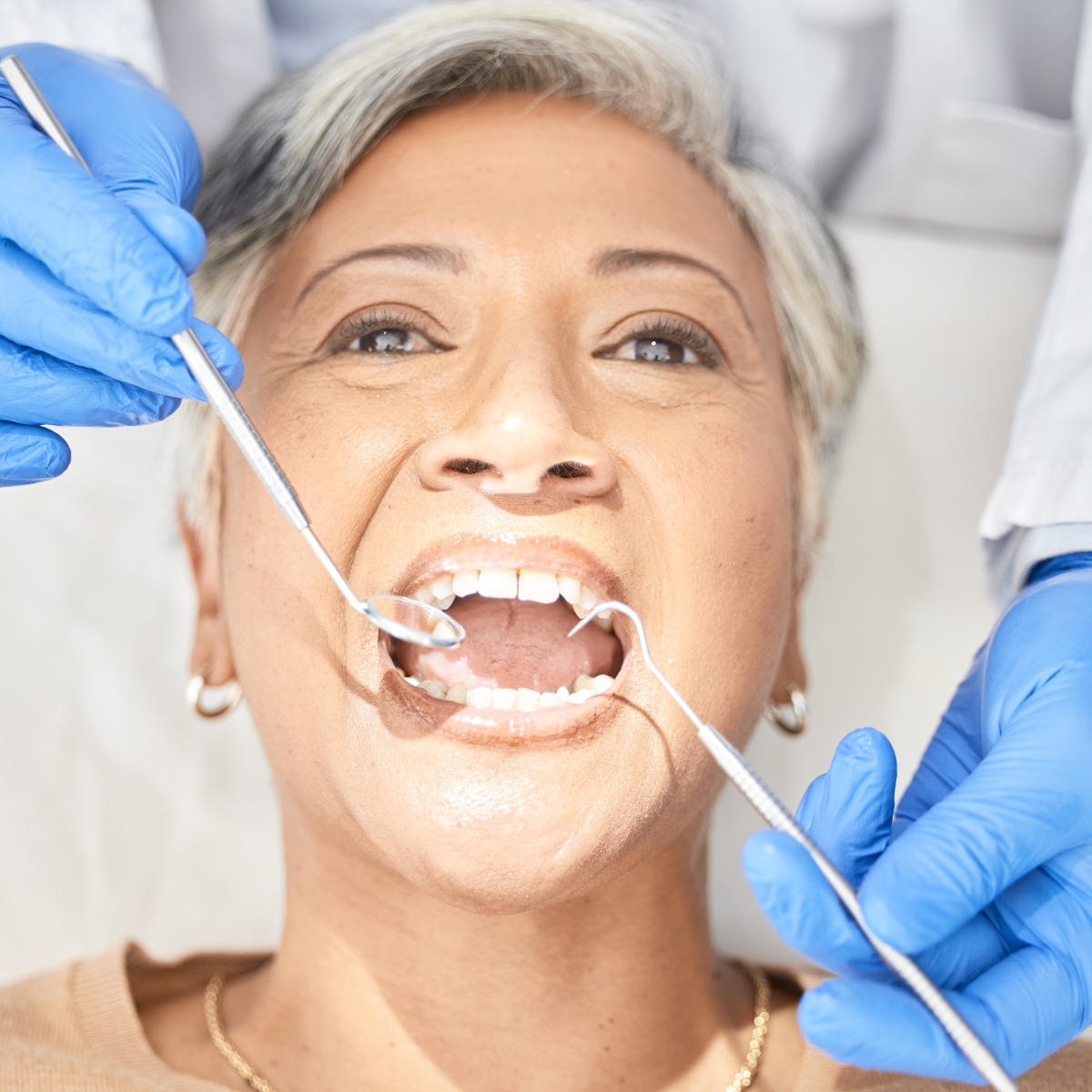
Dental sealants are a form of preventative dental care used to protect teeth against cavities and decay. These are thin layers of plastic material painted on the biting surfaces of the posterior teeth, known as molars, which are among the most susceptible to cavities. It is in these areas where grooves are usually deep and easily trap food and bacteria, so effectively removing them with toothpaste is impossible. The sealants create a barrier against harmful materials entering the tooth and tooth decay setting in.
While sealants are most widely recognized as used among children and teenagers, they are also very effective among adults, particularly those with deep grooves in their teeth and those who are prone to cavities. Dental sealants are virtually painless, require no invasion of the teeth, and are a long-term preventative measure of good oral health.
What is Dental Sealant?
A thin layer of plastic material, known as a dental sealant, is applied to the grooves of the teeth, where cavities are most common, especially in the back teeth. This layer acts as a barrier, preventing bacteria or food from accumulating in the grooves. They are colorless and white, and not noticeable at all after application.
The dental sealants in Farmington Hills, work best to protect the teeth at the back of the mouth, which are used for chewing. These teeth contain deep grooves where food tends to get lodged, making them prone to cavities. Sealants for cavities are ideal for blocking these grooves and creating a smooth surface.
Benefits of Dental Sealants
Sealants are used to prevent cavities, especially in those who are prone to them. This is how they work and why they are so useful:
1. Prevention of Cavities
The primary reason for using sealants is to prevent cavities. It is in the molars in the back of your mouth, which are most vulnerable to cavities due to their rough texture, which makes it difficult to remove food residue and bacteria. This creates spaces where food particles and bacteria cannot accumulate.
2. Long-Term Protection
Once applied, your sealants can last for many years, providing long-term protection against cavities. This is most important for young individuals, since their molars are developing and can easily decay.
3. Non-invasive and Quick Procedure
The sealant application process is quite non-invasive. Anesthesia is not required, and the procedure may take a few minutes per tooth.
4. Promotes Oral Hygiene Among Children
When it comes to children, sealants are indeed one of the most effective ways to promote oral health, as dental problems can often be avoided through this process.
Who Should Choose Dental Sealants?
Sealants can be used on anyone regardless of age, but there are people whom they can be most beneficial to:
- Children and Teens: Children are very susceptible to cavities, particularly in the back sides of their teeth. Applying sealants to them at a young age can help prevent future oral problems as their teeth develop.
- People with Deep Grooves on Their Teeth: Persons whose teeth have deep grooves may find sealants beneficial, too. Deep grooves on the teeth are hard to clean. Sealing them can provide extra protection.
- Those Prone to Cavities: If you tend to have many cavities, whether it’s because of your genes, diet, or lifestyle, sealants could be a great choice for you. They add an extra layer of protection against decay.
- Those with Difficulty Brushing Their Teeth: Patients with arthritis or difficulty brushing their teeth may benefit from sealants. They make it easier to avoid cavities, regardless of brushing efficiency.
- Sealants for Sensitive Teeth: Those who have sensitive teeth will also find these sealants beneficial. They will help shield the teeth from irritation caused by hot, cold, or acidic foods. This will make chewing easier.
Dental Sealants Application Process
The application of your sealants does not involve any complicated procedures. The following is a brief overview of the entire process:
- Cleaning the Tooth: The dentist begins by cleaning the tooth to ensure it is free of plaque and debris.
- Preparing the Tooth: The tooth will be dried, and a slightly acidic solution will be applied. This will help the sealant stick to it well.
- Applying the Sealant: The liquid sealant is painted inside the grooves in the tooth. There may also be a special light used to set or harden the sealant.
- Final Check: The dentist will then test the bite after the sealant has hardened to ensure it has not altered the way the teeth fit together.
Ensure Long-Term Oral Health with Dental Sealants
Dental sealants are a straightforward and efficient means to protect your teeth against cavities and decay. Whether it is protecting little ones’ developing teeth or preserving and protecting your own, a sealant can be the key to a future of saving time and money.
Here at Village Family Dentistry in Farmington Hills, MI, we are dedicated to helping you maintain a healthy smile with the most advanced techniques, including sealants. If you would like to learn more about the benefits of dental sealants, look no further. Call us today to book an appointment and let us help you protect your smile for years to come!
Questions People Ask About Dental Sealants
1. How long do dental sealants last?
Dental sealants typically last for 5 to 10 years. Regular dental check-ups can ensure they remain intact. If any sealant starts to wear off, your dentist can easily reapply it to maintain protection against cavities.
2. Are dental sealants safe for children?
Yes, dental sealants are safe for children. They are made from non-toxic materials and provide essential protection for developing teeth, reducing the risk of cavities, particularly in back teeth that children often have difficulty cleaning properly.
3. Can dental sealants be removed?
While dental sealants are designed to stay in place for years, they can be removed by your dentist if necessary. If they wear down or crack, your dentist can safely replace them to ensure continued protection against decay.
4. Are dental sealants a substitute for brushing and flossing?
No, dental sealants are an additional protective measure, not a replacement for brushing and flossing. It’s still important to brush twice daily and floss regularly to keep your teeth and gums healthy while benefiting from the protection sealants offer.
5. Can adults get dental sealants?
Yes, adults can benefit from dental sealants, especially if they have deep grooves in their teeth or are prone to cavities. Sealants help protect hard-to-clean teeth and prevent future decay, preserving your long-term oral health.
6. Do dental sealants hurt?
No, applying dental sealants is a painless procedure. The dentist simply cleans the teeth, applies the sealant, and hardens it with a light. The process is quick, and most patients find it comfortable, with no recovery time needed.

By Village Family Dentistry
Related Articles
New patients and emergency appointments welcome