27900 New Market Rd, Farmington Hills, MI 48334


Can I Still Play Sports After Getting Dental Implants?

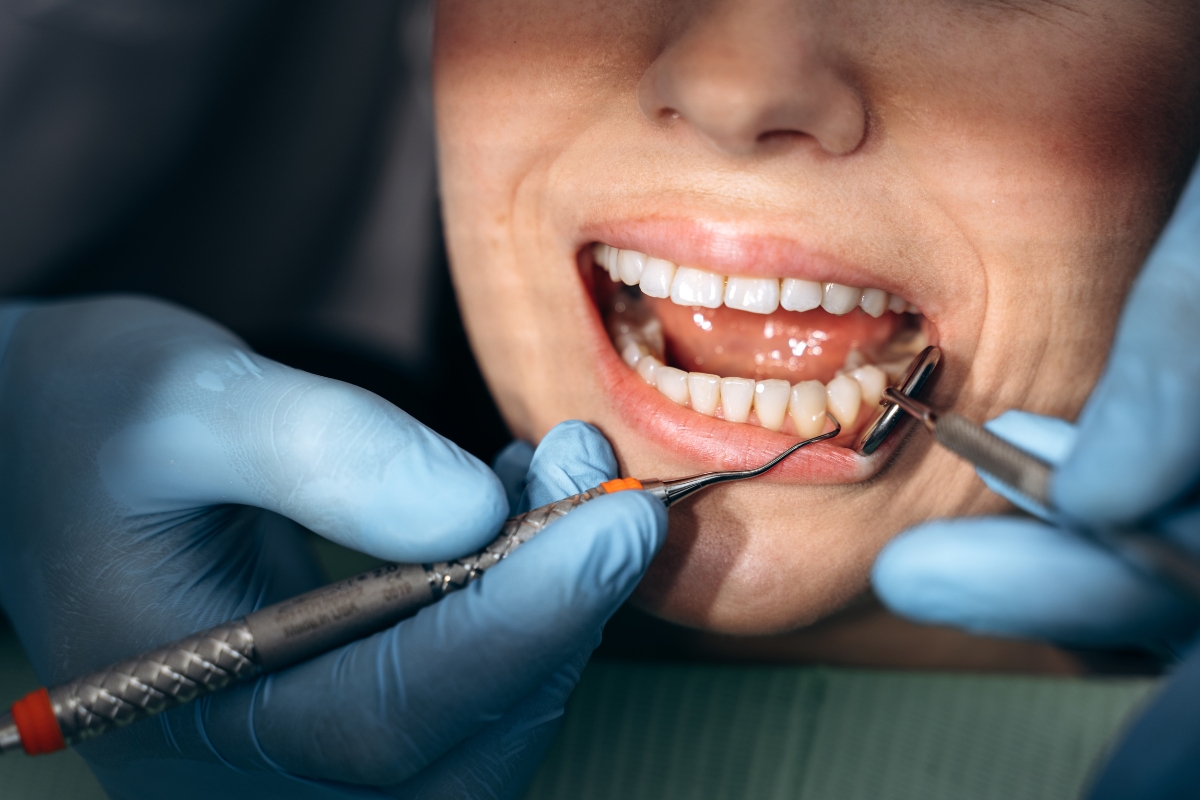
For anyone who plays recreational hockey at the Farmington Hills Ice Arena, competes in weekend soccer leagues at Heritage Park, or trains for any contact sport in Oakland County, the question of whether dental implants can hold up to an active lifestyle is a fair one. You want your smile restored. You also don’t want to sit on the bench indefinitely or worry about every elbow in the paint.
The short answer is yes, you can return to sports after getting dental implants. The fuller answer involves knowing when, how, and what precautions make the most sense for your specific situation because not all sports carry the same risk, and the timing of your return matters more than most people expect.
How Dental Implants Are Different From Natural Teeth
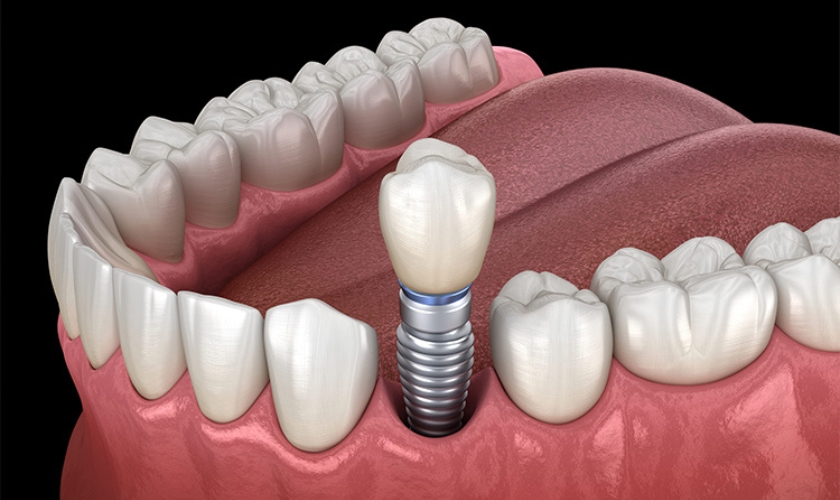
To understand why sports-related questions come up with implants, it helps to understand how an implant is actually structured. A titanium post is surgically placed into the jawbone and, over time, fuses with the bone through a process called osseointegration. This is what gives implants their long-term stability — they’re not sitting on top of the gum or attached to neighboring teeth the way dentures or bridges are. They’re integrated into your bone.
That integration process takes time, typically three to six months, during which the bone and implant are building the permanent bond that makes the implant function like a natural tooth root. For patients pursuing dental implants in Farmington Hills at our practice, post-operative guidance is built into every treatment plan — because what you do during that healing window directly affects the long-term outcome.
Once osseointegration is complete and the final crown is placed, the implant is remarkably durable. Titanium is biocompatible and highly resistant to fracture. The crown itself is typically made from porcelain or zirconia — both of which can withstand normal biting forces without issue. The implant system, fully healed, can function much like a natural tooth even when you’re active.
The Recovery Window: What to Avoid and Why
The first few weeks after implant surgery are when your behavior matters most. The surgical site is healing, the bone is beginning to integrate with the titanium post, and any significant physical trauma to the area or to your body can disrupt that process.
The First Two Weeks
Strenuous physical activity is generally off the table for at least the first week to two weeks post-surgery. High-intensity exercise increases blood pressure and heart rate, which raises the risk of bleeding at the surgical site and can slow the initial stages of healing. That includes not just contact sports but also weightlifting, running, and high-impact training.
Your dentist will give you specific guidance based on how your procedure went and how your healing is progressing. Some patients with straightforward placements are cleared for light, non-contact activity sooner. Others with more complex cases, like multiple implants, bone grafting, or sinus lifts, may need to wait longer.
Weeks Two Through Osseointegration
After the initial healing period, many patients can resume lower-impact activities. Light cardio, swimming (once the surgical site is sufficiently healed), and non-contact sports are often appropriate. Contact sports, however — hockey, basketball, football, martial arts, soccer — should wait until osseointegration is complete and you’ve been cleared by your provider.
The concern here isn’t necessarily that a blow to the mouth will dislodge the implant immediately. It’s that trauma during the osseointegration phase can interfere with the bone-to-implant bond forming below the surface, potentially leading to implant failure that only becomes apparent months later.
Returning to Contact Sports: What You Actually Need
Once you’re fully healed and cleared to return to contact sports, one piece of equipment becomes non-negotiable: a properly fitted mouthguard. This applies whether you had dental implants placed or not, but it’s especially relevant once you have them.
Why a Custom Mouthguard Matters More for Implants
Over-the-counter boil-and-bite mouthguards offer some protection, but they don’t fit as precisely as custom-fabricated guards made from a dental impression. A well-fitted custom guard distributes impact forces across the arch more evenly, reducing the concentrated force that could affect both implants and natural teeth.
Custom guards are also more comfortable, which means athletes actually wear them consistently, unlike the generic versions that feel bulky and tend to get left in the bag. Your dentist can fabricate a guard that fits over your crown and surrounding teeth, specifically accounting for the implant position.
Sports With the Highest Oral Injury Risk
Not all sports carry equal risk to your dental work. The American Dental Association estimates that more than 200,000 oral injuries are prevented annually by mouthguard use. The highest-risk activities include:
- Ice hockey and roller hockey — high-speed pucks, sticks, and collisions
- Basketball — elbows and accidental contact are extremely common
- Football and rugby — direct collision sports with significant force
- Martial arts and boxing — any striking discipline carries direct facial impact risk
- Baseball and softball — pitched or batted balls can cause severe oral trauma
- Soccer — heading the ball and player collisions both create risk
Wearing a custom mouthguard for any of these activities protects your investment in implant treatment and significantly reduces the risk of crown fracture, soft tissue injury, and concussion.
Restore Your Smile Without Giving Up Your Game
Dental implants are built to last, and with proper healing time and a good mouthguard, they hold up to an active lifestyle just as well as natural teeth. The key is starting with a provider who gives you a clear, personalized recovery plan from day one.
Book your consultation today. We’ll walk you through what the implant process looks like for your situation, your timeline for returning to sport, and what protection you’ll need to keep playing at your best.
People Also Ask
Will a blow to the mouth damage a dental implant?
A fully healed implant is quite resilient to impact, but a severe direct blow can fracture the crown or, in rare cases, affect the implant itself. This is why custom mouthguards are strongly recommended for any contact sport. Crowns can be replaced; preventing trauma in the first place is always the better outcome.
Can I swim after getting a dental implant?
Light swimming is generally acceptable once the surgical site has closed and healed, typically after two to three weeks. Avoid diving or high-impact water activities initially. Check with your dentist before resuming any aquatic activity, as healing timelines vary based on the complexity of your procedure.
Do dental implants require any special care compared to natural teeth?
Implants don’t decay the way natural teeth do, but the surrounding gum tissue and bone can still be affected by gum disease. Daily brushing, flossing around the implant, and regular professional cleanings are all still necessary — the implant post is stable, but the tissue supporting it requires the same care.
What happens if I return to sports too early after implant surgery?
Returning to contact sports before osseointegration is complete risks disrupting the bone-to-implant bond forming beneath the surface. This can lead to implant failure, which may not be immediately obvious. Following your dentist’s timeline protects the long-term success of the procedure and avoids the need for replacement.

By Village Family Dentistry
Related Articles
New patients and emergency appointments welcome