27900 New Market Rd, Farmington Hills, MI 48334


Dental Implants vs. Dentures in Farmington Hills, MI

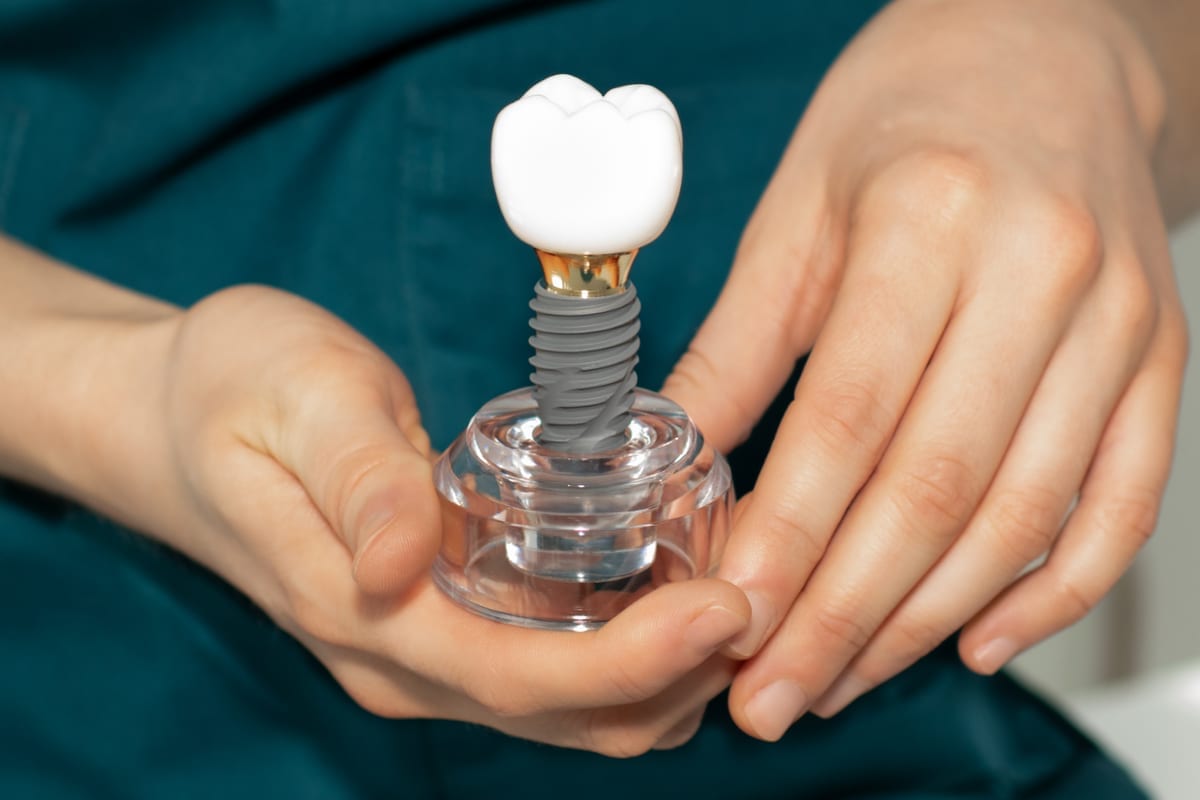
If you’ve lost one or more teeth, you’re probably weighing your options carefully. The question of dental implants vs. dentures — which option saves you money long term in Farmington — comes up often in our office. It’s not a simple answer. Both options restore your smile, but they differ greatly in cost, comfort, and durability over time.
At Village Family Dentistry of Farmington Hills, Dr. Shah helps patients make informed decisions every day. This article breaks down the real comparison so you can choose what’s right for your health and your budget.
Understanding the True Cost of Dental Implants vs. Dentures in Farmington
Many patients see the upfront price of implants and feel discouraged. Dental implants typically cost more initially than dentures. However, upfront cost is only part of the financial picture.
Dentures require adhesives, cleaning solutions, and regular replacements. Most dentures need replacing every five to eight years. Over a decade, those recurring costs add up significantly.
Dental implants, by contrast, are designed to last a lifetime with proper care. They fuse with your jawbone through a process called osseointegration. That makes them a one-time investment for most patients.
When you calculate total costs over 20 years, implants often come out ahead financially. This is a key reason why so many Farmington patients choose implants despite higher initial pricing.
How Dentures and Implants Affect Your Daily Life
Cost isn’t everything. Your quality of life matters just as much when making this decision. Dentures are removable, which some patients find convenient. Others find them uncomfortable or embarrassing when they slip during meals or conversation.
Dental implants function exactly like natural teeth. You brush, floss, and eat normally without any special routines. There’s no adhesive, no overnight soaking, and no worry about slippage.
Dentures can also cause bone loss in the jaw over time. Without a tooth root to stimulate the bone, the jawbone gradually shrinks. This changes your facial structure and can make dentures fit poorly as years pass.
Implants preserve jawbone density because the titanium post acts as a tooth root. This keeps your facial structure intact for decades.
Comparing Implants, Dentures, and Dental Bridges
Bridges are another option worth considering alongside dentures and implants. A Dental Crowns Bridges solution uses neighboring teeth as anchors to support a false tooth. This can be more affordable than implants, but it requires altering healthy teeth.
Here’s a side-by-side comparison of the three main options:
- Dental Implants: High upfront cost, lifetime durability, preserves bone, no impact on neighboring teeth
- Dentures: Lower upfront cost, requires replacements, may cause bone loss, removable
- Dental Bridges: Mid-range cost, anchored to healthy teeth, lasts 10–15 years, does not preserve bone
Each option serves a different patient situation. Dr. Shah evaluates your bone density, gum health, and overall dental health before recommending a path forward.
Patients interested in broader smile enhancement also explore Cosmetic Dentistry options that complement tooth replacement treatments.
Who Is a Good Candidate for Dental Implants?
Not every patient qualifies for implants right away. Good candidates typically share these characteristics:
- Sufficient jawbone density to support the implant post
- Healthy gums with no active periodontal disease
- Non-smokers or patients willing to quit during healing
- Commitment to good oral hygiene habits
- Overall good systemic health
If bone loss has already occurred, a bone graft may restore enough density to support an implant. This adds to treatment time and cost, but it opens the door for patients who thought implants weren’t possible.
Dentures, on the other hand, work for almost anyone with missing teeth. They require no surgery and can be fitted quickly. For patients who cannot undergo surgery, dentures remain a reliable and practical solution.
What to Expect During the Dental Implant Process
Understanding the process helps patients set realistic expectations. The implant journey typically unfolds in these stages:
- Consultation and Imaging: Dr. Shah reviews your X-rays and takes 3D scans to assess bone structure.
- Implant Placement: A titanium post is surgically placed into the jawbone during a minor procedure.
- Healing Period: The implant fuses with the bone over three to six months.
- Abutment Placement: A small connector piece is attached to the implant post.
- Crown Placement: A custom-made crown is secured to complete your new tooth.
The process takes longer than getting dentures, but the result is a permanent, natural-looking tooth. Most patients say the wait is absolutely worth it.
Denture fitting is faster, often completed in just a few appointments. However, adjustments are frequently needed as your mouth changes shape over time.
Making the Right Choice for Your Situation in Farmington
There is no single right answer for every patient. Your decision depends on your health, timeline, and personal priorities. Implants deliver more long-term value for most patients who qualify medically and financially. Dentures remain an excellent solution for patients who need a faster, more accessible option.
Dr. Shah takes the time to walk each patient through both paths honestly. The goal is never to push one treatment over another. The goal is to find what genuinely works best for you.
Village Family Dentistry of Farmington Hills serves patients throughout the Farmington community with personalized, compassionate care. We believe an informed patient always makes a better decision. Book Now to schedule your appointment with our team.
Frequently Asked Questions
How long do dental implants last compared to dentures?
Dental implants are designed to last a lifetime with proper care and good oral hygiene. Dentures typically need to be replaced every five to eight years due to normal wear and changes in jaw structure.
Are dental implants painful to get?
Most patients report minimal discomfort during the implant procedure because local anesthesia is used throughout. Some soreness occurs during healing, but it’s generally manageable with over-the-counter pain relief.
Can I get implants if I’ve worn dentures for many years?
Possibly, yes. Long-term denture wear often causes jawbone loss, which may require a bone graft before implants can be placed. Dr. Shah will assess your bone density during your consultation to determine the best path forward.
Do implants look more natural than dentures?
Dental implants are virtually indistinguishable from natural teeth. They are custom-crafted to match the color, shape, and size of your surrounding teeth. Dentures have improved greatly in appearance but may still look less natural up close.
Is the dental implant process right for older patients?
Age alone does not disqualify someone from getting implants. Overall health, bone density, and gum health matter far more than age. Dr. Shah evaluates each patient individually to determine the safest and most effective treatment option.

By Village Family Dentistry

New patients and emergency appointments welcome