27900 New Market Rd, Farmington Hills, MI 48334


Dental Cleaning vs Deep Cleaning: What’s the Difference?

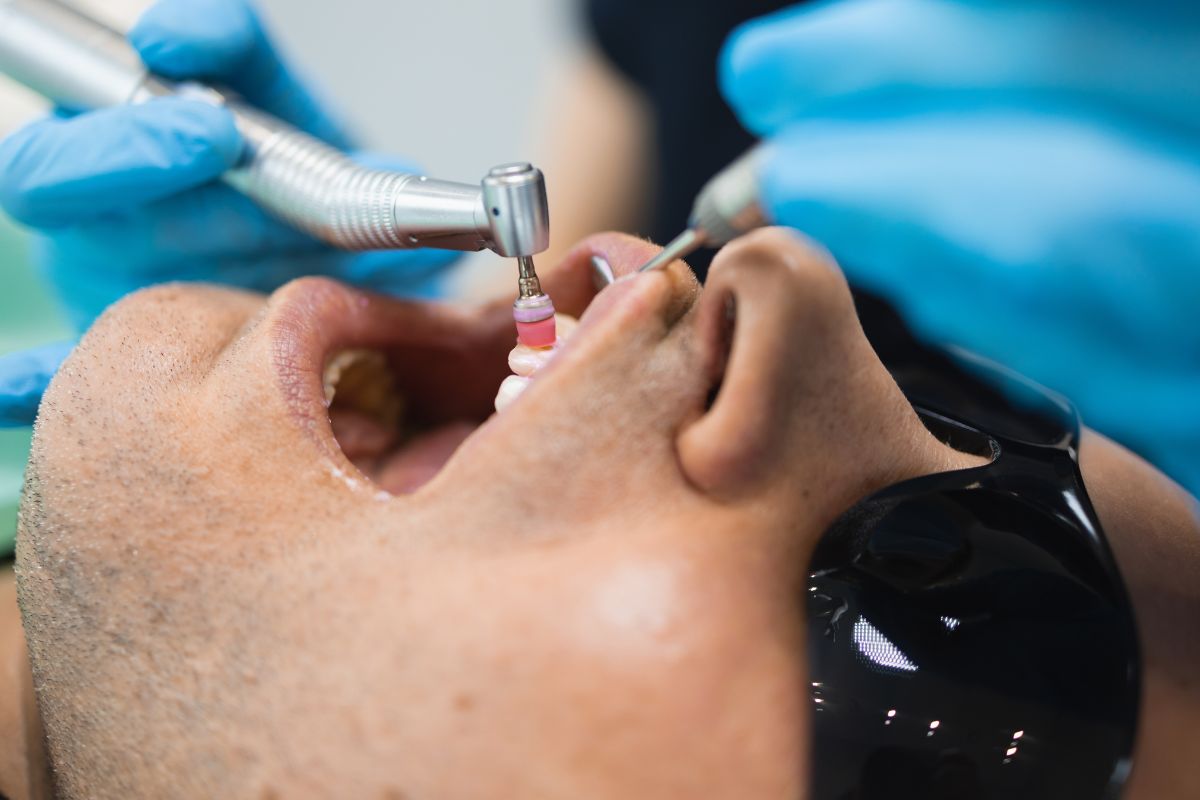
Most people in Farmington Hills visit the dentist for a routine cleaning and leave without a second thought. But some patients hear their dentist recommend a “deep cleaning” and wonder if that’s the same thing, or something more serious?
They are two different procedures, and knowing the difference helps you understand why your dentist recommends one over the other.
What Is a Regular Dental Cleaning?
A standard dental cleaning, also called prophylaxis, is a preventive procedure. It is recommended every six months for patients with healthy gums and no significant buildup.
During a routine cleaning, the dental hygienist:
- Removes plaque and tartar from the surface of teeth and just below the gumline
- Polishes the teeth to clear away surface stains
- Flosses between teeth to remove debris
- Reviews your oral hygiene habits
This type of cleaning works above and at the gumline. It is designed to maintain oral health and detect issues early before they progress. Dental plaque removal at this stage is straightforward when plaque is caught early; it has not yet hardened into tartar or caused gum damage.
What Is Deep Cleaning?
A deep dental cleaning, clinically known as scaling and root planing, goes further. It is a treatment, not just a maintenance visit.
When plaque and tartar build up below the gumline over time, the gums can begin to pull away from the teeth, forming pockets. Bacteria settle into these pockets and cause gum disease, known as periodontitis. This does not happen overnight — it develops gradually, often without pain in the early stages.
The deep cleaning vs regular dental cleaning distinction comes down to this: a routine cleaning maintains healthy gums, while a deep cleaning treats gums that are already inflamed or infected.
During deep cleaning, the hygienist:
- Scales below the gumline to remove hardened tartar and bacteria
- Smooths the root surfaces (root planing) so gums can reattach properly
- May treat one section of the mouth at a time, often requiring two visits
Some patients need local anesthesia for comfort during the procedure. Mild soreness or sensitivity afterward is normal and usually resolves within a few days.
How Do Dentists Decide Which One You Need?
Your dentist measures the space between your gums and teeth using a probe. These measurements, called periodontal pocket depths, indicate the level of gum health.
- 1–3 mm: Healthy — routine cleaning recommended
- 4 mm: Early concern — monitoring or possible deep cleaning
- 5 mm or more: Gum disease present — deep cleaning typically required
In addition to pocket depth, your dentist looks at bleeding, bone levels on X-rays, and the extent of tartar buildup below the gumline. These findings together guide the recommendation.
Common Signs You May Need More Than a Regular Cleaning
Many patients in the Farmington Hills area are unaware they have gum disease because the early stages are often painless. Watch for:
- Gums that bleed when brushing or flossing
- Puffy, red, or tender gum tissue
- Persistent bad breath that does not improve with brushing
- Teeth that feel loose or have shifted slightly
- Gums that appear to be pulling back from your teeth
If you notice any of these, it is worth mentioning at your next visit. Early treatment is always more straightforward than waiting.
Does Insurance Cover Both?
Most dental insurance plans cover routine cleanings twice a year as preventive care. Deep dental cleaning in Farmington Hills is typically covered under basic or restorative benefits, though coverage percentages vary by plan.
It is a good idea to check with your insurance provider beforehand so there are no surprises. The dental team can also help verify benefits before your appointment.
After a Deep Cleaning — What Comes Next?
Once you complete a deep cleaning, your dentist will schedule a follow-up visit, usually four to six weeks later. This appointment checks whether the gums have responded well and the pockets have reduced in depth.
Depending on the results, you may be placed on a periodontal maintenance schedule — typically every three to four months — rather than the standard six-month routine cleaning. This keeps gum disease from returning.
Staying consistent with these visits matters. Gum disease is manageable, but it does not go away permanently on its own.
A Note for Families in Farmington Hills
Whether you are due for a routine checkup or have been putting off a visit because you are unsure what to expect, getting clarity from your dentist is the first step. Children benefit from starting regular cleanings early to build good habits. Adults who have gone a few years without seeing a dentist may find that a deeper level of care is needed before returning to routine maintenance — and that is completely normal.
Oral health connects to overall health. Gum disease has been linked to conditions like diabetes and cardiovascular disease, which makes staying on top of dental care more than just a cosmetic concern.
The Right Cleaning Starts with the Right Assessment
Village Family Dentistry in Farmington Hills, MI, provides both routine dental cleanings and deep cleaning treatments based on each patient’s specific needs. Whether you need a standard visit or more targeted gum care, our team is here to walk you through your options clearly.
Book Your Appointment Today!
Common Questions People Ask
1. How do I know if I need a deep cleaning or just a regular one?
Your dentist determines this by measuring gum pocket depths during an exam. Pockets of 4 mm or more, combined with signs of gum inflammation or bone loss, typically indicate a need for deep cleaning.
2. Is deep cleaning painful?
The procedure is done with local anesthesia, so discomfort during the appointment is minimal. Some sensitivity or mild soreness in the gums afterward is normal and usually passes within a few days.
3. How long does a deep cleaning take?
It typically takes one to two hours per session. Since the mouth is divided into quadrants, most patients complete the process over two separate appointments.
4. Can I go back to a regular cleaning after a deep cleaning?
Possibly, but not always right away. After a deep cleaning, your dentist will evaluate your gum health and may recommend a periodontal maintenance schedule every three to four months before transitioning back to a standard cleaning.

By Village Family Dentistry

New patients and emergency appointments welcome